

You’ve spent months (maybe years) building your website. You’ve got the traffic coming in. Your analytics look decent. But here’s the thing: the leads aren’t following.
If you’re nodding along right now, you’re not alone. This is one of the most common frustrations we hear from business owners. The good news? Your funnel probably isn’t broken: it just needs some strategic adjustments.
Let’s dive into exactly how to diagnose and fix the weak points in your lead generation funnel.
Why Isn’t Your Website Converting Visitors?
Before we jump into solutions, let’s take a look at the most common culprits. Your website might be bleeding potential leads because of:
- Landing pages that confuse rather than convert
- Lead capture forms that feel like interrogations
- Traffic coming from the wrong sources
- No way to engage visitors in real-time
- Missing the anonymous visitors entirely
The truth is, fixing your funnel isn’t about a single magic solution. It’s about addressing each of these areas systematically.
Start With Your Landing Pages (They’re Probably the Problem)
Here’s what you need to know: your landing pages are where conversions happen or die. If visitors are hitting these pages and bouncing, you’ve got work to do.
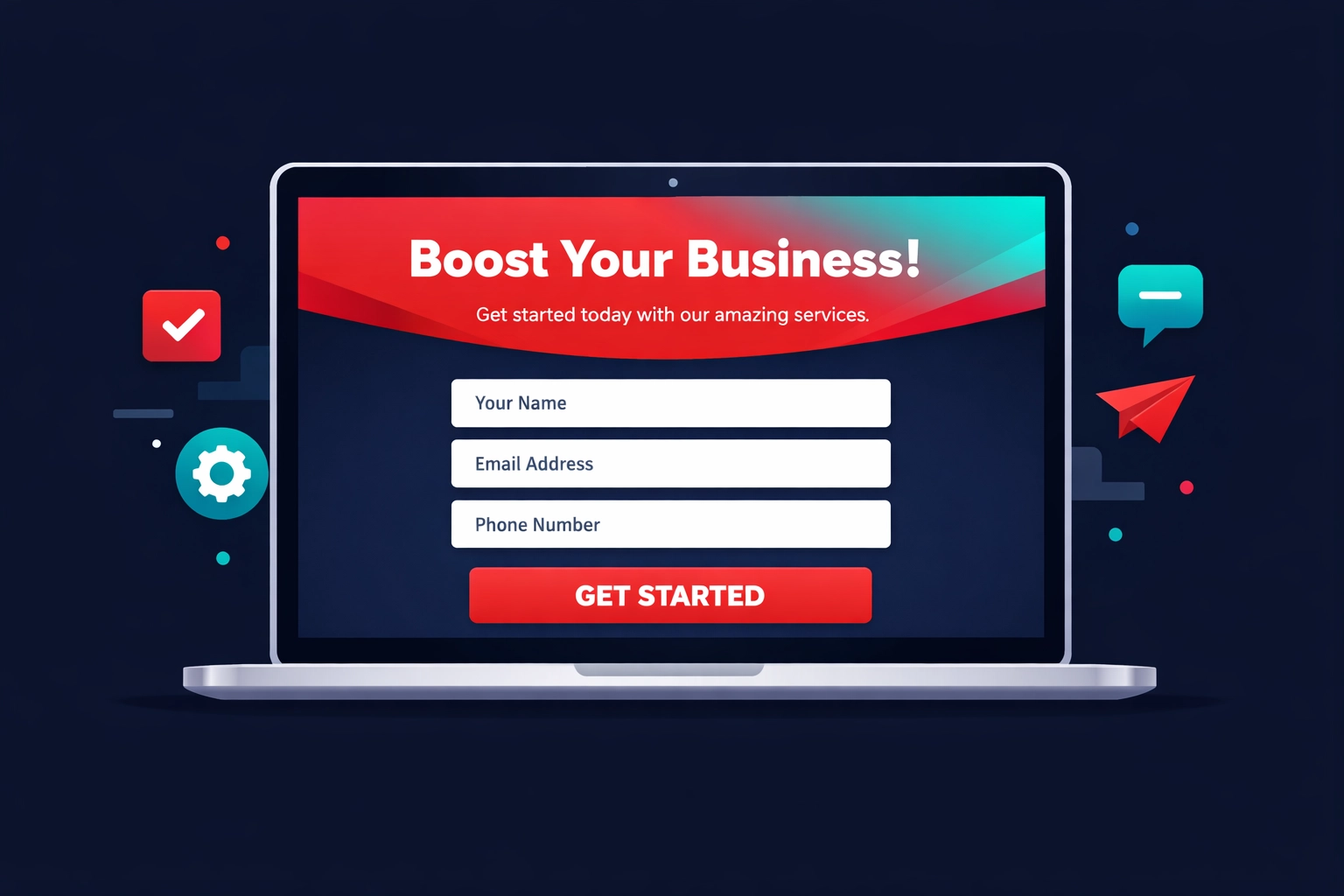
The Single Goal Rule
Each landing page should have one clear conversion goal. Not two. Not three. One.
Whether that’s capturing an email address, booking a consultation, or downloading a guide, make it crystal clear what you want visitors to do. When you give people too many options, they choose none of them.
Your Headline Needs to Work Harder
Your headline should communicate your value proposition in seconds. Not “Welcome to Our Services” or “About Us”: something that actually tells visitors what problem you’re solving for them.
Ask yourself: would someone who’s never heard of your business understand what you offer within three seconds of landing on this page? If not, rewrite it.
Mobile Responsiveness Isn’t Optional Anymore
More than half your traffic is probably coming from mobile devices. If your landing pages look rubbish on a phone or take ages to load, you’re losing leads before they even see your offer.
Test every landing page on multiple devices. Better yet, have someone who’s never seen your site try to complete a conversion on their mobile. Watch where they struggle.
Fix Your Lead Capture Forms (Stop Asking for Everything)
Let’s talk about your forms. If you’re asking for someone’s life story before they can download a simple guide, you’re doing it wrong.
Here’s the reality: every additional field you add to a form reduces conversion rates. You might want their company size, budget, timeline, and shoe size, but they just want the thing you’re offering.
The Minimum Viable Information Approach
Ask yourself: what’s the absolute minimum information you need to follow up with this lead?
For most businesses, that’s:
- Name (first name is often enough)
- Email address
- Maybe phone number if it’s essential
You can gather more information later, once you’ve built trust. Right now, you’re just trying to start the conversation.
Dynamic Forms That Adapt
If you know something about a visitor (maybe they’ve been to your site before), use dynamic forms that adapt based on that information. Don’t ask them to tell you things you already know.
This creates a personalised experience and shows you’re paying attention. It also reduces friction in the conversion process.
Diversify Your Traffic Sources (Don’t Put All Your Eggs in One Basket)
If 90% of your traffic comes from one source, you’re vulnerable. Algorithm changes, competitor activity, or platform shifts could tank your lead generation overnight.
The Organic and Paid Balance
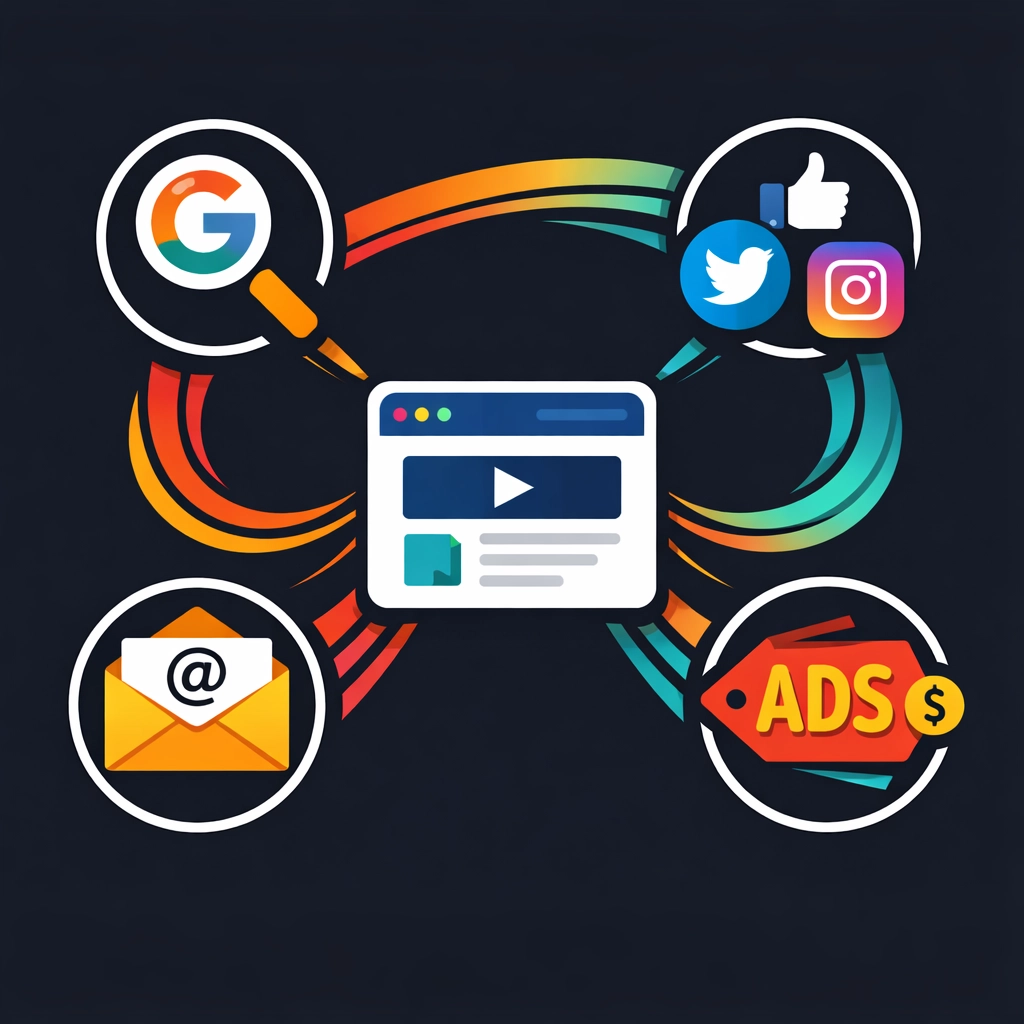
The most resilient funnels combine organic strategies (SEO, content marketing) with paid approaches (Google Ads, social media advertising).
Organic traffic builds long-term stability and costs less over time. Paid traffic gives you immediate results and precise targeting. You need both.
For B2B businesses specifically, focus on:
- Content marketing through your blog
- Search engine optimisation for high-intent keywords
- LinkedIn for professional networking
- Email marketing for nurturing relationships
- Google Ads for capturing active searchers
Don’t Ignore Email Marketing
Email marketing remains one of the most effective lead generation channels, especially when you combine it with marketing automation.
The key is providing value before asking for anything. Educational content, industry insights, and practical tips build trust. Then, when you do make an offer, people actually care.
Add Real-Time Engagement Tools (Catch Them While They’re Hot)
Here’s something most websites miss: the ability to engage visitors whilst they’re actively browsing your site.
Someone’s looking at your pricing page right now. Someone else just spent five minutes reading your case studies. These are hot leads: but if you can’t start a conversation in that moment, they’ll probably leave and never come back.
Live Chat Isn’t Just for Support
Live chat captures interest in real-time rather than hoping someone fills out a form and waits for your response.
Use chatbots for frequently asked questions during off-hours, but route qualified prospects to actual humans whenever possible. Nothing beats a real conversation for converting interested visitors into leads.
Customise your chat greetings based on which page someone’s viewing. If they’re on your pricing page, invite them to book a quick demo. If they’re reading a blog post, offer related resources.
Integrate Everything With Your CRM
Your live chat, forms, and engagement tools should all feed directly into your CRM. If your sales team has to manually transfer information between systems, leads will slip through the cracks.
Automation here isn’t about replacing humans: it’s about making sure every lead gets proper attention without anything falling through the gaps.
Capture Your Anonymous Visitors (They’re Already Interested)
If your website receives substantial traffic but conversions remain low, you’re probably losing loads of anonymous visitors.
These are people who browse your site, check out your services, maybe even look at pricing: but leave without identifying themselves. You’re essentially blind to their interest.
Visitor Identification Technology
Visitor identification software can reveal which companies are visiting your site, which pages they viewed, and how long they stayed: even without form submissions.
This is particularly powerful for B2B companies. If you can see that someone from a target company spent ten minutes on your case studies page, that’s intelligence your sales team can use.
Use Dynamic Retargeting (Remind Them Why They Came)
Not everyone converts on their first visit. Actually, most people don’t. They need multiple touchpoints before they’re ready to become a lead.
Retargeting ads remind visitors of what they were looking at on your site, with personalised offers to encourage them to come back and convert.
Focus Your Budget on Warm Traffic
Retargeting is more cost-effective than cold advertising because you’re reaching people who’ve already shown interest in what you offer. They’re familiar with your brand, which dramatically improves conversion rates.
The key is personalisation. Show people ads related to the specific pages they visited, not generic brand messaging.

Create Content for Every Stage (Not Everyone’s Ready to Buy)
Here’s what many businesses miss: not all your visitors are ready to become leads today. Some are just starting their research. Others are comparing options. A few are ready to buy now.
The Awareness Stage
At the top of your funnel, people are just becoming aware they have a problem. They’re not looking for your specific solution yet: they’re trying to understand their situation.
Create educational content that addresses their questions without pushing your services. Blog posts, guides, and videos work well here.
The Consideration Stage
Middle-funnel content helps visitors evaluate different approaches to solving their problem. Comparison guides, case studies, and detailed explanations of methodologies fit here.
This is where you can start positioning your approach as particularly effective, but you’re still focused on education over promotion.
The Decision Stage
Bottom-funnel content is for people ready to choose a provider. Pricing information, detailed service descriptions, testimonials, and consultation offers belong here.
These visitors need reassurance and specific details to make their final decision. Give them everything they need to feel confident choosing you.
What to Do Right Now
You don’t need to fix everything at once. Here’s how to prioritise:
Start by auditing your current lead capture elements. Are they easy to find? Simple to complete? Working properly on mobile?
Next, look at your landing pages. Do they have single, clear goals? Are the headlines compelling? Is the path to conversion obvious?
Then, review your traffic sources. Are you over-reliant on one channel? Where could you diversify?
Finally, consider adding real-time engagement tools if you don’t have them already. The ability to start conversations whilst visitors are actively browsing can dramatically improve conversion rates.
The truth is, fixing your funnel is an ongoing process, not a one-time project. But by addressing these core areas, you’ll start seeing more of your website visitors turn into actual leads.
And that’s the whole point, isn’t it?
Frequently Asked Questions
1) Why is my website getting traffic but not generating leads?
This usually happens when landing pages are unclear, lead capture forms ask for too much information, or visitors don’t see a clear next step. Small adjustments to these areas can significantly improve conversions.
2) What makes a landing page convert visitors into leads?
High-converting landing pages focus on a single goal, use a clear headline that explains the value of the offer, and make the path to conversion simple and obvious.
3) Why should each landing page have only one goal?
When a landing page offers too many choices, visitors become confused and take no action. A single clear goal guides users toward completing the desired conversion.
4) How important is mobile responsiveness for lead generation?
It is essential. More than half of website traffic comes from mobile devices, and if a page loads slowly or looks difficult to use on a phone, visitors will leave before converting.
5) How many fields should a lead capture form include?
Only the minimum information required to follow up. For most businesses this means first name and email address, with a phone number only if absolutely necessary.
6) Why do shorter forms convert better?
Every additional field adds friction to the process. When forms ask for too much information, visitors are more likely to abandon the conversion entirely.
7) Why should businesses diversify their traffic sources?
Relying on a single traffic channel makes your funnel vulnerable to algorithm updates or platform changes. Combining SEO, paid advertising, email marketing, and social platforms creates a more stable lead generation strategy.
8) How does live chat improve website lead generation?
Live chat allows you to engage visitors while they are actively browsing your site. This real-time interaction can answer questions immediately and convert interested visitors before they leave.
9) What are anonymous website visitors and why do they matter?
Anonymous visitors are people who browse your website without filling out a form. Many of them are genuinely interested, and visitor identification tools can reveal which companies are researching your services.
10) Why is content needed for every stage of the funnel?
Not all visitors are ready to buy immediately. Educational content helps early-stage researchers, comparison resources support evaluation, and detailed service information helps decision-stage prospects convert into leads.