
You’ve decided to pivot your business into a new market. Exciting times ahead. But here’s the thing: your website still speaks to your old audience, and you’re worried about losing all that hard-earned search visibility you’ve built up over the years.
The good news? You can absolutely redesign your website for a new market without throwing away your SEO strength. It just takes the right approach.
Why Market Pivots Fail (And How to Avoid It)
Most businesses rush into a redesign without proper planning. They change everything at once, alienate their existing traffic, and watch their rankings plummet. You don’t want to be one of those cautionary tales.
The truth is, a successful market pivot requires balancing two seemingly opposing forces: embracing change while preserving what’s already working. Let’s explore how to walk that tightrope.
Start With Deep Market Research
Before you touch a single pixel on your website, you need to understand who you’re talking to now. What does your new target audience care about? What problems keep them up at night? How do they search for solutions?
Here’s what you need to research:
- Demographics and psychographics of your new market
- Pain points and challenges they face regularly
- Language and terminology they use to describe their problems
- Competitor websites already serving this market
- Search behaviour patterns specific to your new audience
This research becomes your roadmap. You’ll reference it when making every design, content, and structural decision moving forward.

Audit Your Current SEO Assets
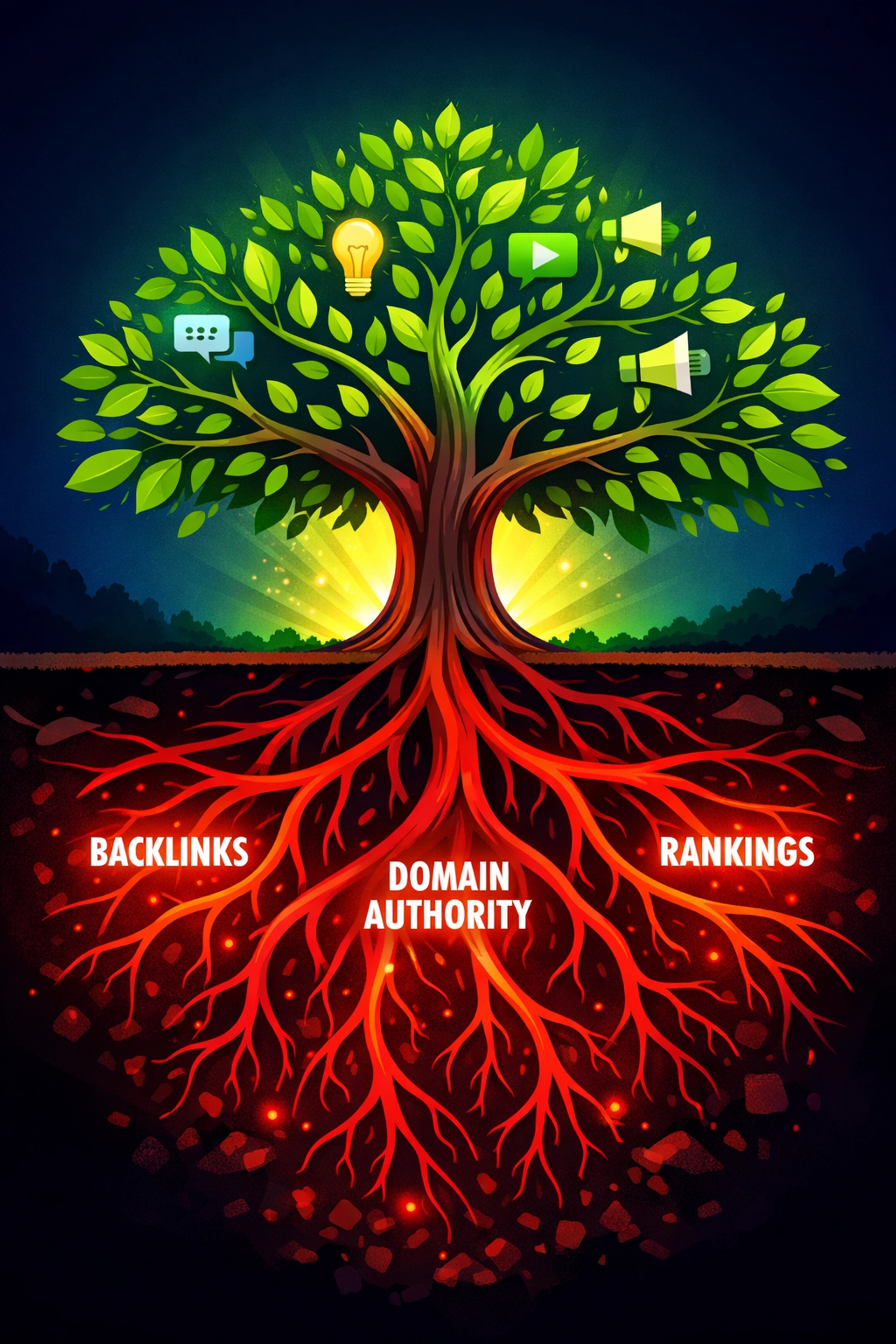
You’ve built up SEO equity. Pages that rank well, backlinks pointing to your content, domain authority. Don’t throw any of this away without first understanding what you have.
Run a complete SEO audit to identify:
- Your highest-ranking pages and the keywords they target
- Pages generating the most organic traffic
- Your strongest backlink sources
- Content that gets the most engagement
- Technical SEO elements that are working well
Some of this existing strength can be repurposed for your new market. That blog post about project management? It might still be relevant to your new audience with some strategic updates. Those backlinks? They still pass authority even if the context changes slightly.
Set SMART Goals for Your Redesign
You might wonder what success looks like for a market-pivot redesign. Without clear goals, you’ll never know if you’ve achieved it.
Define specific, measurable objectives like:
- Increase leads from [new market segment] by 40% within six months
- Achieve first-page rankings for [X new market keywords] within three months
- Reduce bounce rate for new market visitors to under 50%
- Increase average session duration by 30%
These goals keep you focused and give you benchmarks to measure against. They also prevent you from making changes just for the sake of change.
The Content Strategy: Update, Don’t Delete
Here’s where businesses make their biggest mistake: deleting everything and starting from scratch. This destroys your SEO foundation.
Instead, follow this approach:
Keep pages with strong SEO performance. If a page ranks well and drives traffic, keep the URL and update the content to serve your new market. Maintain the URL structure, preserve internal links, and keep the meta data framework while refreshing the messaging.
Use 301 redirects strategically. When you must change URLs, implement proper 301 redirects to pass SEO value to the new pages. Map old URLs to the most relevant new pages to maintain link equity.
Create bridge content. Develop transitional content that connects your old market expertise to your new market focus. This helps search engines understand your pivot while maintaining topical authority.
Expand, don’t replace. Add new market-specific pages alongside your existing content. This broadens your reach without abandoning what’s working.

Refresh Your Branding Without Losing Recognition
Your new market might need different messaging, but you don’t need to become an entirely different company overnight.
Update your brand elements thoughtfully:
- Adjust your colour palette to appeal to the new demographic while maintaining brand consistency
- Refine your messaging to address new pain points without completely abandoning your established voice
- Update imagery to reflect your new target market while keeping your visual style recognizable
- Revise your value proposition to speak directly to new market needs
The key is evolution, not revolution. You’re the same company with a new focus, not a completely different entity.
Technical SEO: Preserve Your Foundation
While you’re updating content and design, don’t neglect the technical elements that support your rankings.
Maintain these critical SEO elements:
URL structure. Keep your existing URL structure where possible. If you must change it, create a detailed redirect map before launch.
Site architecture. Preserve your information hierarchy and internal linking structure. Update navigation labels and add new sections, but don’t completely restructure how pages connect.
Page speed. Your redesign should improve load times, not slow them down. Test performance throughout development.
Mobile responsiveness. Your new market likely uses mobile devices extensively. Ensure your redesign is fully responsive across all screen sizes.
Schema markup. Update structured data to reflect your new market focus while maintaining proper implementation.
If you need help ensuring your technical SEO stays solid during a redesign, our SEO services team can audit your site before, during, and after the transition.
Create New Market-Specific Content Clusters
You’ve preserved your existing SEO strength. Now it’s time to build new authority in your target market.
Develop content clusters around topics your new audience cares about:
- Identify pillar topics central to your new market
- Create comprehensive pillar pages targeting broad keywords
- Build supporting content that addresses specific subtopics
- Link these pages together to signal topical relevance to search engines
This cluster approach helps you build authority in your new market faster than creating isolated pieces of content. It also helps search engines understand your new focus area.
Update Your Calls to Action
Your old CTAs probably don’t resonate with your new market. Someone in a different industry or demographic responds to different language and offers.
Review every CTA on your site and ask:
- Does this offer appeal to my new target market?
- Does the language match how this audience speaks?
- Does the next step make sense for their buying journey?
- Am I asking for the right level of commitment at this stage?
Update your CTAs to reflect your new market’s preferences, pain points, and decision-making process.
Test Before You Launch
You wouldn’t launch a product without testing it. Your redesigned website deserves the same diligence.
Set up a staging environment where you can:
- Test all new pages and functionality
- Verify redirects are working correctly
- Check mobile responsiveness across devices
- Validate that forms and CTAs function properly
- Review content for accuracy and relevance
- Run SEO crawls to catch technical issues
Better yet, gather feedback from representatives of your new target market. They’ll spot confusing navigation, unclear messaging, or missing information that you might overlook.
Monitor Performance Post-Launch
Your work doesn’t end when the redesigned site goes live. The first few weeks after launch are critical for identifying issues and making adjustments.
Track these metrics closely:
- Organic traffic levels compared to pre-launch baseline
- Keyword rankings for both old and new target terms
- Bounce rate and engagement metrics from new market visitors
- Conversion rates for new market-specific goals
- Technical errors flagged in Google Search Console
If you see traffic drops or ranking declines, act quickly to diagnose and fix the issue. Most post-launch SEO problems stem from redirect errors, missing content, or technical implementation issues that are relatively easy to resolve.
The Reality of Timeline Expectations
Let’s be honest about timelines. You won’t see immediate results from your market pivot redesign.
Search engines need time to recrawl your site, understand your new focus, and adjust your rankings accordingly. Your new target market needs time to discover you through search, social, and other channels.
Expect to see:
- Initial changes in rankings and traffic within 2-4 weeks
- Meaningful momentum building at the 3-6 month mark
- Full results materializing after 6-12 months of consistent effort
This timeline assumes you’re actively supporting your redesign with ongoing content creation, link building, and optimization efforts. A website redesign isn’t a one-time project: it’s the foundation for ongoing market development.
Making Your Pivot Stick
Pivoting your website for a new market while preserving SEO strength requires patience, planning, and strategic execution. You’re not just changing what your site looks like: you’re repositioning your entire digital presence.
The businesses that succeed with market pivots are the ones who respect what they’ve already built while boldly stepping into new territory. They preserve their technical SEO foundation, thoughtfully update their content and messaging, and give their new strategy time to gain traction.
Your existing SEO strength is an asset, not an obstacle. Use it as a launching pad for your new market focus, and you’ll enter with momentum instead of starting from zero.