

Most british businesses are discovering that nearly 80 percent of consumers prefer helpful information over traditional advertising. This shift in customer expectations makes understanding content marketing more important than ever. By breaking down the essentials and showing what truly sets successful strategies apart, this guide helps you navigate the fast-changing world of digital engagement without wasting time on methods that no longer work.
Table of Contents
- Defining Content Marketing Fundamentals
- Common Content Types And Formats
- Core Strategies For Effective Content
- Aligning Content With The Buyer Journey
- Measuring Success And Avoiding Pitfalls
Key Takeaways
| Point | Details |
|---|---|
| Audience-Centric Approach | Understanding audience preferences and pain points is crucial for creating engaging content that resonates. |
| Diverse Content Formats | Utilising various formats like blogs, videos, and infographics keeps audiences engaged and caters to different communication styles. |
| Strategic Distribution | Effective content distribution across multiple channels is essential for maximising reach and audience engagement. |
| Performance Measurement | Regularly analysing engagement and conversion metrics helps refine strategies for greater impact and alignment with audience needs. |
Defining Content Marketing Fundamentals
Content marketing represents a strategic approach to creating and distributing valuable, relevant content designed to attract, engage, and retain a clearly defined audience. Unlike traditional advertising that interrupts consumers, content marketing aims to provide genuine value through informative, helpful materials that solve problems and address specific customer needs.
At its core, content marketing focuses on building long-term audience relationships through consistent, high-quality information delivery. Recent research highlights that successful content marketing requires a comprehensive understanding of audience preferences, technological trends, and strategic content distribution. Researchers examining digital marketing strategies have identified several critical elements that distinguish effective content approaches:
- Audience Understanding: Deeply researching target demographic interests and pain points
- Multi-Channel Distribution: Strategically sharing content across diverse platforms
- Performance Measurement: Tracking engagement metrics and adapting strategies accordingly
- SEO Integration: Optimising content to improve search engine visibility
Content marketing is not merely about producing large volumes of material, but creating precise, targeted information that resonates with specific audience segments. By prioritising customer value over direct sales messaging, businesses can establish trust, demonstrate expertise, and naturally guide potential customers through their decision-making journey. Successful practitioners understand that meaningful content is a powerful tool for building brand authority and generating sustainable audience engagement.
Common Content Types and Formats
Content marketing encompasses a diverse array of formats designed to engage audiences through varied communication channels. Digital content strategies highlight the importance of selecting formats that resonate with specific target demographics and align with overall marketing objectives.
The most powerful content types include:
- Blog Posts: In-depth articles providing valuable insights, tutorials, and industry perspectives
- Infographics: Visual representations of complex data and statistics that simplify information
- Video Content: Engaging multimedia materials including tutorials, interviews, and brand stories
- Podcasts: Audio discussions exploring industry trends and expert insights
- Case Studies: Detailed narratives demonstrating real-world problem-solving and business successes
- Whitepapers: Comprehensive research reports offering deep analysis on specific topics
Successful content marketing requires strategic multi-channel distribution across platforms that match audience preferences. Each content type serves different purposes: blog posts build thought leadership, videos increase engagement, and case studies provide social proof. Smart marketers understand that variety keeps audiences interested and allows for flexible communication approaches.
The key is not just creating content, but crafting high-quality, purposeful materials that genuinely address audience needs. By mixing content formats and maintaining consistent quality, businesses can build trust, demonstrate expertise, and create meaningful connections with their target market.

Core Strategies for Effective Content
Developing robust content marketing strategies requires a comprehensive approach that goes beyond simple content creation. Content marketing research emphasises the critical importance of understanding audience needs, creating targeted messaging, and implementing strategic distribution methods.
Key strategies for effective content development include:
- Audience Persona Development: Creating detailed profiles of target audience segments
- Value-First Approach: Prioritising informative, problem-solving content over direct sales messaging
- Consistency and Quality: Maintaining high standards across all content formats
- Data-Driven Refinement: Using performance metrics to continuously improve content strategy
- SEO Integration: Optimising content to improve search engine visibility and reach
- Emotional Connectivity: Crafting narratives that resonate on a personal level
Successful content strategies also require understanding evolving digital landscapes and adapting to changing audience preferences. This means continuously learning, experimenting with new formats, and remaining flexible in your approach. Marketers must think beyond traditional boundaries, recognising that effective content is not just about information delivery, but about creating meaningful connections that inspire, educate, and engage.
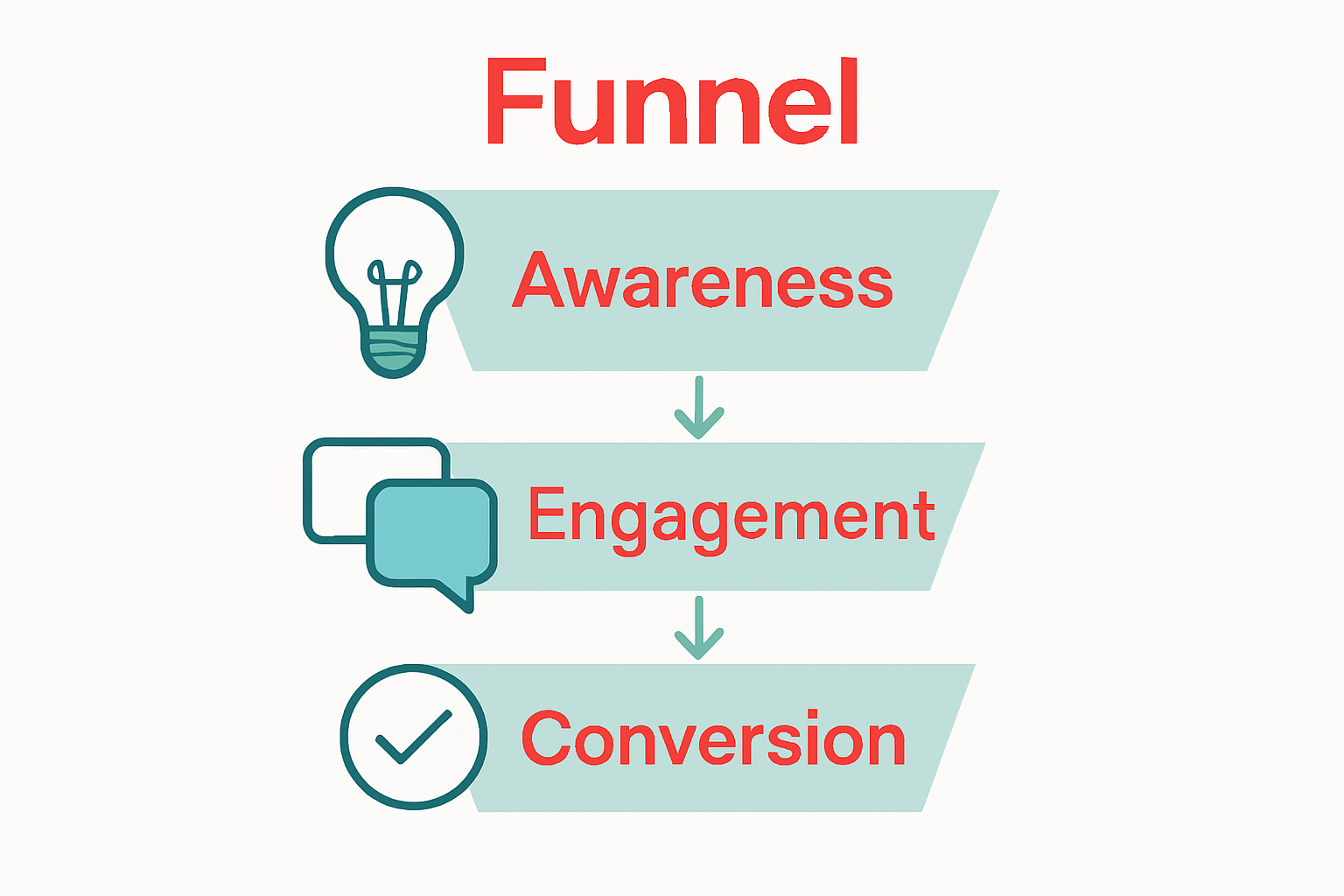
Ultimately, the most powerful content marketing strategies transform complex information into accessible, compelling narratives that speak directly to audience needs. By combining deep audience understanding, strategic distribution, and a commitment to genuine value, businesses can create content that not only attracts attention but also builds lasting relationships with their target market.
Aligning Content With the Buyer Journey
Recent content marketing research underscores the critical importance of creating targeted content that speaks directly to customers at different stages of their purchasing decision. Understanding the buyer journey is not about pushing a sale, but about providing valuable guidance that builds trust and supports informed decision-making.
The buyer journey typically comprises three distinct stages:
- Awareness Stage: Content focused on identifying potential challenges
- Blog posts explaining industry problems
- Informative infographics
- Educational videos
- Consideration Stage: Content demonstrating potential solutions
- Comparative guides
- Expert webinars
- Detailed case studies
- Decision Stage: Content that validates purchasing choices
- Testimonial videos
- Detailed product comparisons
- Risk-reduction materials like guarantees and trial offers
Understanding digital marketing evolution reveals that successful content must be dynamically tailored to address specific customer needs at each journey stage. This means moving beyond generic messaging to create precise, empathetic communications that genuinely help customers navigate their decision-making process.
Effective buyer journey content requires deep audience understanding, strategic content mapping, and a commitment to providing genuine value. By creating materials that answer real questions, address specific concerns, and provide clear, actionable insights, businesses can transform their content from mere information into a powerful tool for building customer relationships and driving meaningful engagement.
Measuring Success and Avoiding Pitfalls
Content marketing research emphasises the critical importance of establishing robust performance metrics to evaluate content effectiveness. Understanding which measurements truly indicate success can transform content marketing from a guessing game into a precise, strategic approach.
Key performance indicators to track include:
- Engagement Metrics:
- Time spent on the page
- Social media shares
- Comment and interaction rates
- Conversion Metrics:
- Lead generation
- Conversion rate
- Cost per acquisition
- Reach Metrics:
- Website traffic
- Organic search rankings
- Audience growth
Common pitfalls that can derail content marketing efforts include:
- Focusing on quantity over quality
- Neglecting audience research
- Creating generic, non-targeted content
- Inconsistent publishing schedules
- Ignoring performance data
- Failing to adapt strategies
Understanding digital marketing evolution reveals that successful content marketing requires continuous learning and adaptation. Businesses must remain flexible, regularly analyse performance data, and be willing to pivot strategies based on real-world insights.
Ultimately, effective content measurement is about understanding the deeper story behind the numbers. It’s not just about tracking metrics, but interpreting them to create more meaningful, impactful content that genuinely connects with your target audience and drives tangible business results.
Elevate Your Content Marketing with Bamsh Digital Marketing
Struggling to create content that truly connects and converts? This guide reveals the essentials of crafting targeted, valuable content that guides prospects through the buyer journey. Yet knowing the theory is only part of the challenge. The real hurdle lies in implementing strategies like SEO integration, multi-channel distribution, and performance measurement in a way that delivers clear, measurable growth.
At Bamsh Digital Marketing, we specialise in turning content marketing fundamentals into real business results. Our transparent, results-driven approach focuses on helping you get found by the right customers at the right time using techniques like SEO & Answer Engine Optimisation and AI-powered lead nurturing. Whether you want to boost search visibility, engage your audience with tailored messaging, or automate lead follow-up, our team has a proven track record of success. Discover how we make content marketing work for your business by exploring Bamsh – Bamsh Digital Marketing and take the first step towards transforming your digital presence.
Don’t let confusion or guesswork hold you back. Book a 15 minute free consultation today and let us show you why so many UK businesses trust Bamsh to turn their content strategies into lasting growth. For special limited-time opportunities, see our Special Offers and start building your content marketing engine now.
Frequently Asked Questions
What is content marketing?
Content marketing is a strategic approach focused on creating and distributing valuable, relevant content to attract, engage, and retain a defined audience. It differs from traditional advertising by prioritising customer value and informative materials that address specific needs.
What types of content are effective in content marketing?
Effective content types include blog posts, infographics, video content, podcasts, case studies, and whitepapers. Each of these formats serves unique purposes, such as building thought leadership or providing social proof, ensuring varied engagement with the audience.
How can I measure the success of my content marketing efforts?
You can measure success by tracking key performance indicators (KPIs) such as engagement metrics (time spent on page, social shares), conversion metrics (lead generation, conversion rate), and reach metrics (website traffic, organic search rankings). Understanding these metrics helps refine future content strategies.
How should I align my content with the buyer journey?
To align content with the buyer journey, create targeted materials for each stage: awareness (informative blogs), consideration (comparative guides), and decision (testimonials or product comparisons). This helps address specific customer needs and supports informed decision-making.
Recommended
- Mastering Digital Marketing: Strategies for Success
- Digital Marketing Explained: The Complete Guide – Bamsh Digital Marketing
- Master Digital Marketing Workflow 2025 for Business Growth
- Mastering SEM Techniques to Drive Digital Growth – Bamsh Digital Marketing
- The Essential Guide to Why Use Content Marketing – Jarrod Harman