
Let’s talk about the question every business owner in Bristol (and across the UK) wants answered but can barely get a straight response to: how much does a new website actually cost?
You’ve probably clicked on a few web design company websites already. Beautiful portfolios. Vague “contact us for a quote” buttons. Maybe a “packages starting from £X” teaser that tells you absolutely nothing about what you’ll actually get.
Here’s the thing: the reason most agencies won’t tell you upfront is because the answer genuinely depends on what you need. But that’s not an excuse to leave you in the dark.
So let’s do what most won’t, give you actual numbers, explain what affects the cost of a business website, and help you figure out what you should be paying without getting ripped off.
The Short Answer (Because You’re Busy)
Most UK small businesses pay between £1,500 and £6,000 for a professional website that actually works.
DIY options start from around £200–£1,500 upfront (plus monthly fees). Big custom builds from agencies? Think £15,000–£100,000+.
But here’s what matters more than the number: what you’re actually getting for that money, and whether it’ll make you more than it costs.
Let’s break it down properly.
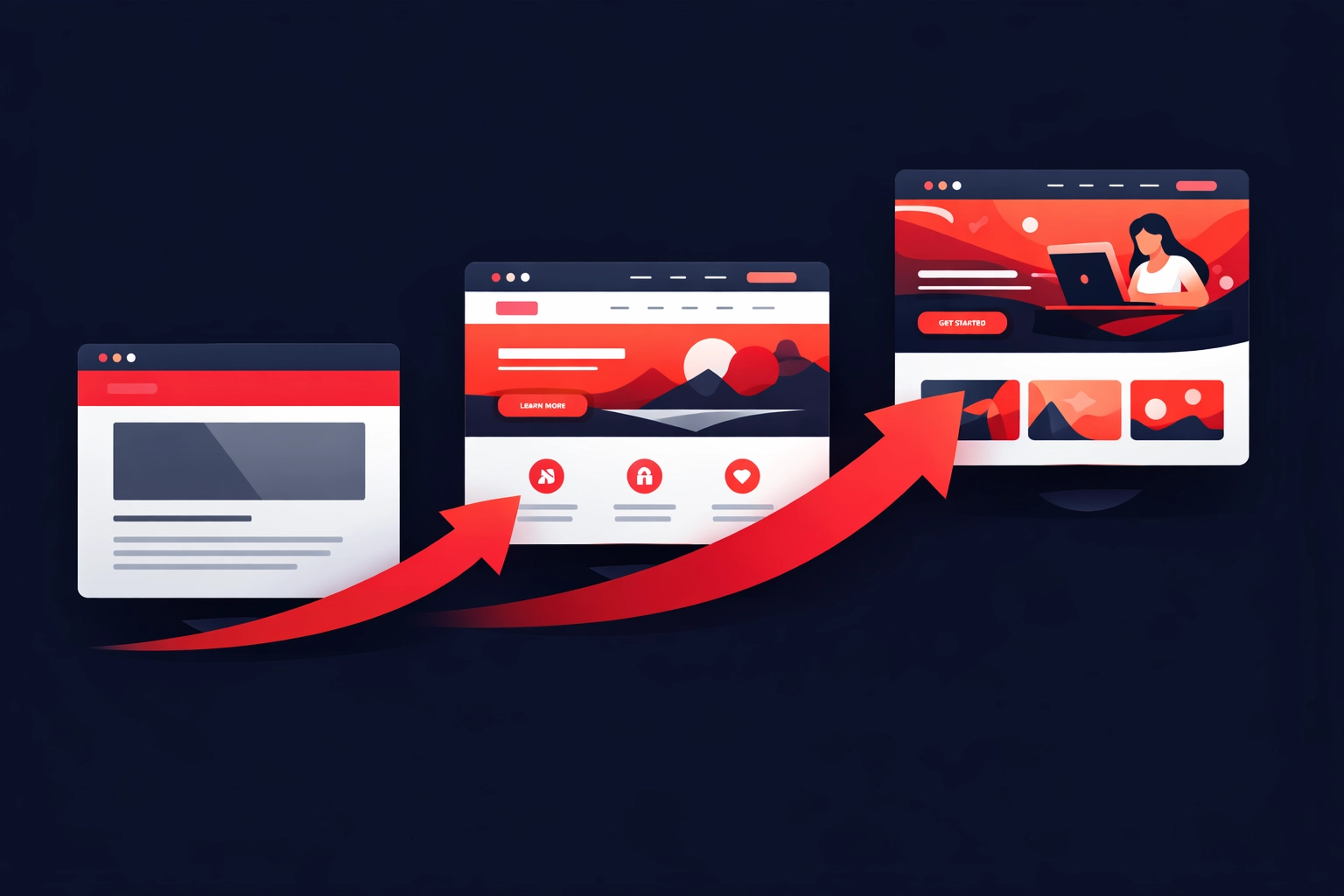
What Type of Website Do You Actually Need?
Before we talk pounds and pence, you need to know what you’re buying. The website design cost in Bristol (or anywhere in the UK) varies wildly depending on the type of site you need.
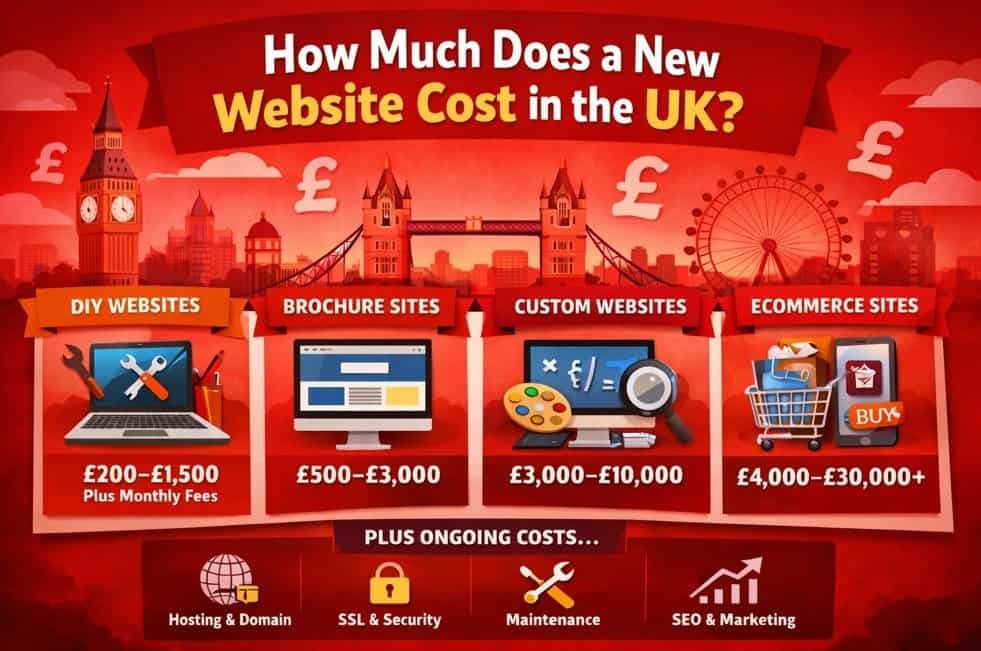
DIY Websites: £200–£1,500 (Plus Monthly Fees)
Platforms like Squarespace, Wix, or Shopify let you build it yourself. You’ll pay around £12–£50/month depending on features, plus potentially a few hundred quid upfront if you want premium templates or apps.
Who this works for: Solo traders, startups testing an idea, or businesses with very simple needs and someone in-house who enjoys tinkering with tech.
The catch: You’re trading money for time. If you don’t know what you’re doing, you’ll spend weeks building something that still looks homemade, and probably won’t rank on Google.
Simple Brochure Websites: £500–£3,000
A basic 4-8 page website built by a freelancer or small studio. Think Home, About, Services, Contact. Clean, professional, gets the job done.
Who this works for: Local tradespeople, consultants, or small service businesses who need an online presence but don’t need anything fancy.
What you get: A decent-looking site that loads fast, works on mobile, and won’t embarrass you when clients Google your business. You won’t get custom features or complex integrations, but you will get something that looks legit.
Professional Custom Websites: £3,000–£30,000+
This is where most Bristol businesses land. A custom-built site designed around your brand, optimised for conversions, and built to perform on search engines.
Small studios and experienced freelancers typically charge £3,000–£10,000. Larger agencies with full teams? £15,000–£30,000 for a solid site, £40,000–£75,000+ if you need something more complex.
Who this works for: Established businesses serious about generating leads online. You need more than a digital business card, you need a tool that actually brings in customers.
What you get: Strategy, not just design. Custom functionality. Proper SEO foundations. A site built to convert visitors into enquiries. Ongoing support.
Ecommerce Websites: £4,000–£15,000+
Selling products online adds layers of complexity: payment processing, inventory management, product pages, checkout flows, security compliance.
Basic online shops start around £4,000–£6,000. More sophisticated ecommerce sites with custom features can easily hit £15,000–£30,000+.
Who this works for: Product-based businesses ready to sell online. Whether you’re a boutique retailer or a wholesaler expanding to B2C, you need proper infrastructure.
The reality: Cheap ecommerce sites break. They get hacked. They lose sales because the checkout’s clunky. This is one area where cutting corners costs you far more in the long run.

What Actually Affects the Website Development Cost UK Businesses Pay?
Right, so those are the ranges. But why such massive variation? Here’s what pushes the cost up (or down):
1. Number of Pages and Complexity
A 5-page brochure site is quick to build. A 50-page site with custom forms, integrations, user portals, and dynamic content? That’s weeks of development work.
2. Custom Design vs Templates
Templates are faster and cheaper. Custom design means your site looks like your business, not like 10,000 other businesses using the same theme.
3. Functionality and Integrations
Need to connect your CRM? Integrate with your booking system? Add a member login area? Each custom feature adds development time and cost.
4. Who’s Building It
A student freelancer charges less than a 20-year veteran. A one-person band charges less than an agency with designers, developers, strategists, and project managers.
You’re not just paying for the website, you’re paying for expertise, reliability, and support.
5. Ongoing Maintenance and Support
Some quotes include ongoing support. Others don’t. Make sure you’re comparing like for like.
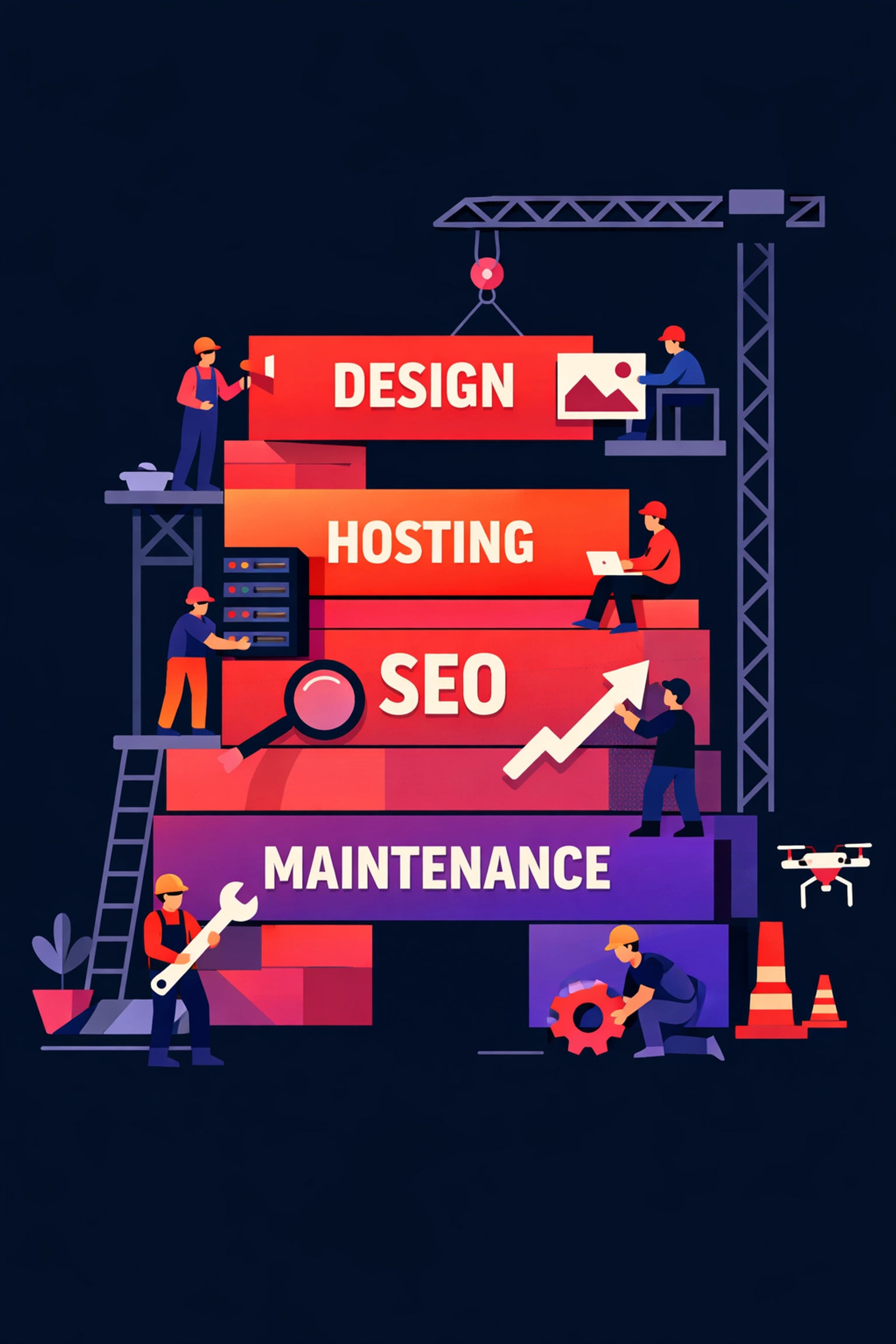
The Hidden Costs No One Tells You About
Here’s where it gets sneaky. The small business website cost you’re quoted often doesn’t include everything you’ll actually need to pay.
Web Hosting: £50–£300/year
Your website needs to live somewhere. Shared hosting is cheap but slow. Managed hosting costs more but performs better and includes security.
SSL Certificate: £0–£500/year
That little padlock in your browser? That’s an SSL certificate. Google won’t rank sites without one, and customers won’t trust them. Many hosts include this free, but some charge £165–£480/year.
Domain Name: £10–£20/year
Not a big cost, but it’s annual. And if you want a premium domain, you might pay hundreds or thousands upfront.
Maintenance and Updates: £500–£3,500/year
Websites need updating. Security patches. Plugin updates. Content changes. Some businesses handle this themselves. Others pay for ongoing maintenance packages.
SEO: £300–£1,500+/month
Here’s the painful truth: a beautiful website that no one finds on Google is expensive wallpaper.
SEO is what gets you ranked. Freelancers charge £300–£500/month. Agencies charge £1,000–£3,000+/month depending on competition in your industry.
If you want your site to generate leads, SEO isn’t optional. We’ve written more about why SEO matters for UK businesses here.
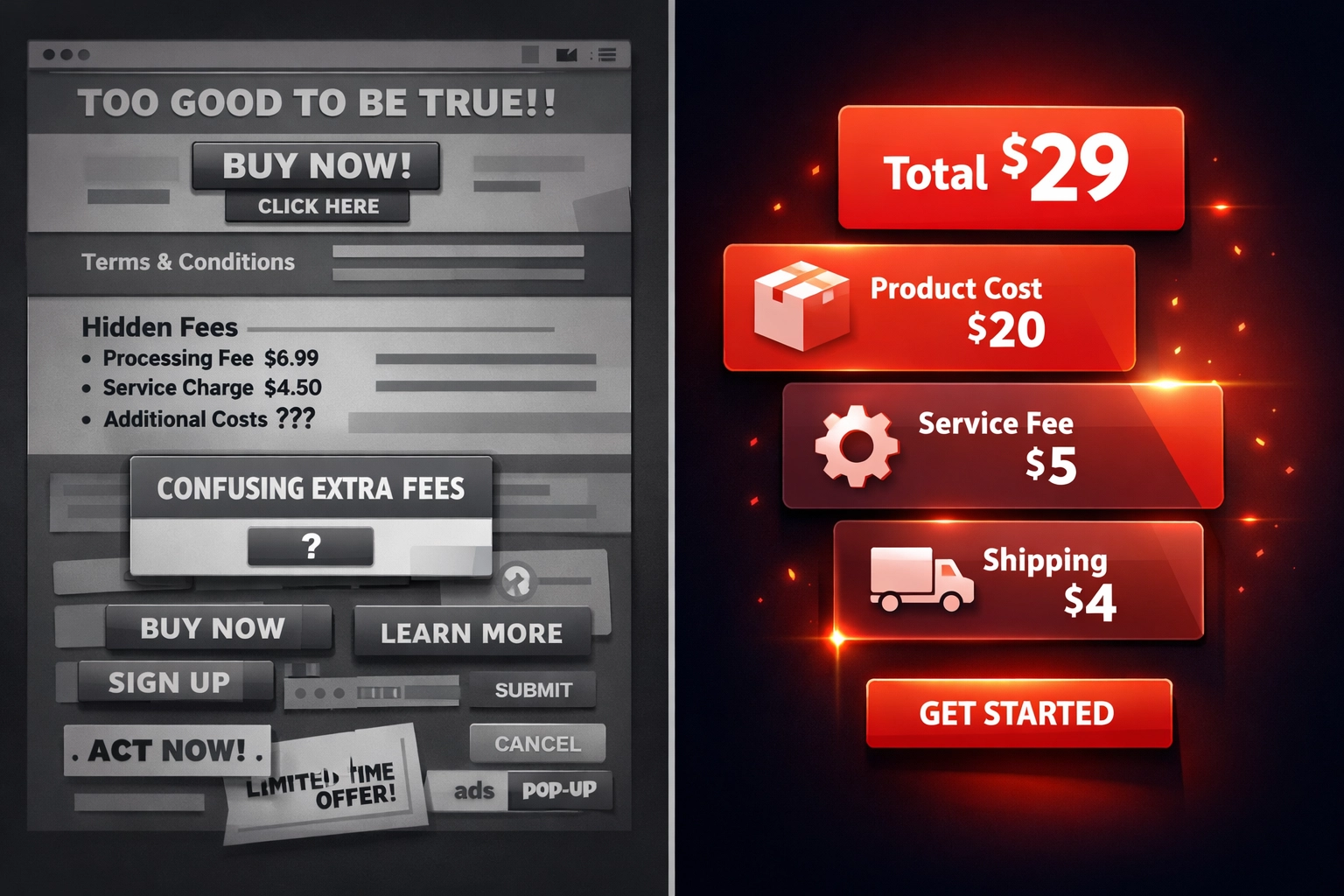
Cost vs Value: What Actually Matters
Let’s get real for a second. You’re not buying a website. You’re buying a tool that either makes you money or doesn’t.
A £2,000 website that generates 10 quality leads a month is worth infinitely more than a £20,000 website that generates none.
Questions to Ask Before You Pay
- Does this website make it easy for customers to contact me?
- Will people trust my business when they land on this site?
- Is it optimised to show up when potential customers search for what I do?
- Does it load fast on mobile?
- Can I update it myself, or am I stuck paying for every tiny change?
If the answer to any of these is “no” or “I don’t know,” the price doesn’t matter: you’re wasting money.
What Should You Actually Pay?
Here’s my honest take, having worked with hundreds of Bristol businesses:
If you’re just starting out and need something simple fast, a £1,500–£3,000 site from a solid freelancer will do the job. Just make sure they know basic SEO and build it on a platform you can update yourself.
If you’re an established business serious about growth, budget £5,000–£10,000 for a proper custom site with SEO foundations. This should include strategy, custom design, mobile optimisation, and at least some ongoing support.
If you’re a larger business or need ecommerce, expect £10,000–£30,000+ depending on complexity. Don’t cheap out here: your website is your top salesperson.
And whatever you pay upfront, budget for ongoing SEO and maintenance. A website isn’t a one-time cost. It’s an investment that needs feeding.

How to Avoid Getting Ripped Off
Finally, let’s talk about how not to get burned:
- Get everything in writing. What’s included? What’s extra? What happens after launch?
- Ask about ongoing costs. Hosting, maintenance, updates: make sure you know the annual cost, not just the upfront price.
- Check their work. Look at sites they’ve built. Are they fast? Do they look good on mobile? Do they rank on Google?
- Avoid “cheap and cheerful” if you’re serious. A £500 website won’t generate £50,000 in revenue. If it’s too cheap, there’s a reason.
- Don’t pay everything upfront. Reputable agencies and designers work in stages with milestone payments.
The Bottom Line
How much does a new website cost in the UK? For most Bristol businesses, somewhere between £1,500 and £10,000 gets you something genuinely useful.
But the real question isn’t “how much?” It’s “will this make me more money than it costs?”
If you’re confused about what you actually need, or you want to talk through the costs without the sales pitch, get in touch with us at Bamsh. We’ll give you straight answers: even if that means telling you to start smaller or hold off for now.
Because a good website isn’t about how much you spend. It’s about spending it on the right things.
Frequently Asked Questions
1. How much does a new website cost in the UK?
Most UK small businesses pay between £1,500 and £6,000 for a professional website. Larger custom builds can range from £10,000 to £100,000+.
2. What is the cheapest way to build a website?
DIY platforms like Wix or Squarespace can cost £200–£1,500 upfront, plus monthly fees.
3. Why do website prices vary so much?
Costs depend on design complexity, number of pages, custom features, integrations, and who builds the site.
4. How much does a simple brochure website cost?
A basic 4–8 page brochure site typically costs between £500 and £3,000.
5. What does a professional custom website cost?
Most established businesses invest £3,000–£10,000 for a custom-built site with SEO foundations and conversion strategy.
6. How much does an ecommerce website cost in the UK?
Ecommerce websites usually start at £4,000 and can exceed £30,000 depending on complexity.
7. Are there hidden website costs?
Yes. Hosting, domains, SSL certificates, maintenance, and SEO are often additional ongoing expenses.
8. How much does website maintenance cost per year?
Maintenance typically ranges from £500 to £3,500 per year, depending on the level of support needed.
9. Is SEO included in website design costs?
Basic SEO setup may be included, but ongoing SEO services usually cost £300–£1,500+ per month.
10. How do I know if a website is worth the investment?
A website is worth it if it generates leads and revenue. The real measure isn’t cost, it’s return on investment.