
You’re searching for a web designer near you. You’ve probably typed “web designer near me” into Google at least once this week. Maybe you’re based in Bristol, or maybe you’re anywhere in the UK looking for local talent who gets your market.
Here’s the thing: finding a professional web designer Bristol has to offer isn’t the hard part. The hard part is working out which one won’t waste your time and money.
I’ve seen too many businesses hire web designers based on a nice portfolio and a friendly chat, only to end up with a website that looks pretty but doesn’t actually work for their business. The truth is, most business owners don’t know what questions to ask before signing on the dotted line.
So let’s fix that. Here are the five questions you absolutely must ask any local web designer Bristol before you hire them.
Question 1: Can You Walk Me Through Your Web Design Process?
This question separates the professionals from the amateurs faster than anything else.
A proper web designer should be able to explain their process step by step. You’re looking for someone who talks about discovery phases, user research, wireframes, prototyping, and testing. If they jump straight to “we’ll make it look amazing,” that’s a red flag.
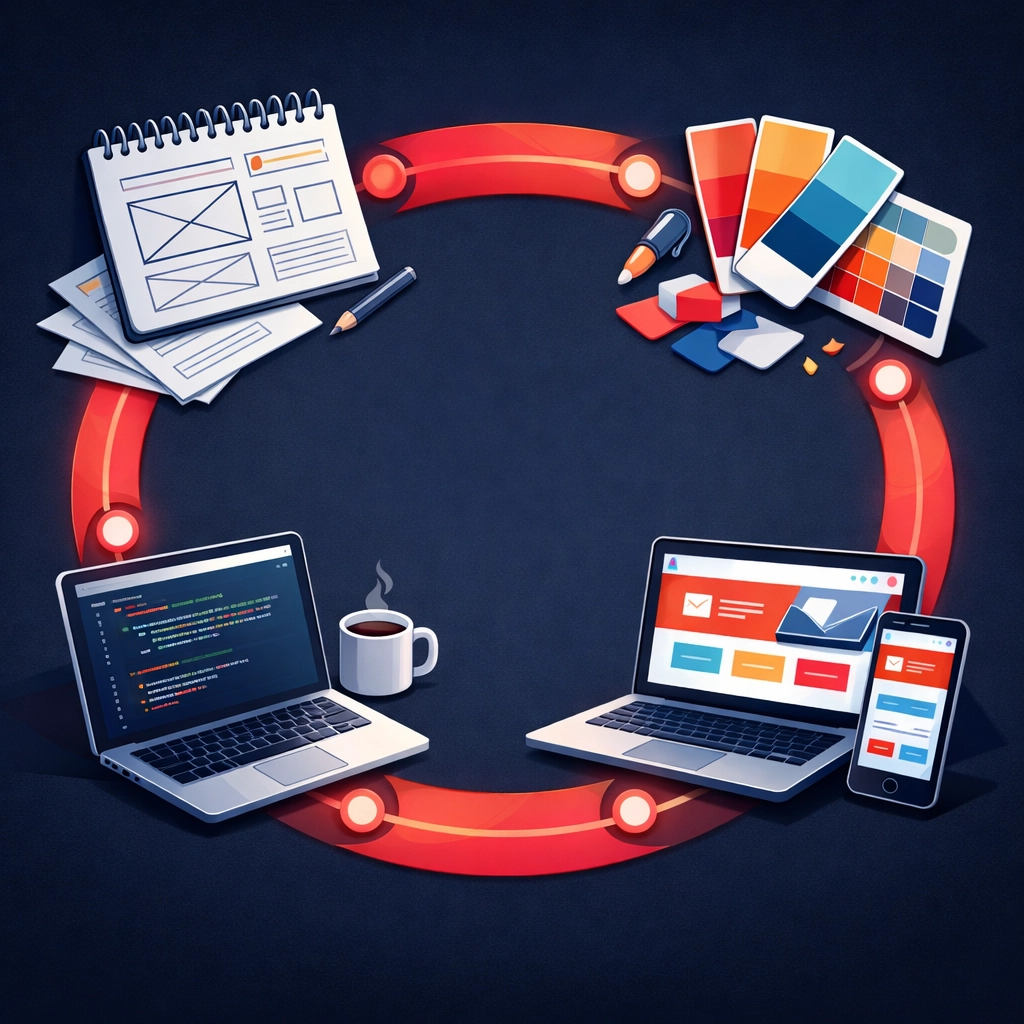
Here’s what a solid process looks like:
Discovery Phase: They should ask about your business goals, target audience, and what you want the website to achieve. Not just what colours you like.
Planning and Research: A good designer researches your competitors, studies your audience, and maps out how users will move through your site.
Wireframing: Before any design work happens, they should create basic layouts that show where everything goes. This is about function, not beauty.
Design and Prototyping: Only now do they create the visual design. And you should see it before it’s built.
Testing and Refinement: After building, they test the site with real users and make improvements based on what works.
If your potential designer can’t articulate something similar, they’re winging it. And you don’t want someone winging a project that could cost you thousands.
Question 2: How Do You Ensure the Website Aligns with My Branding and Business Goals?
This question reveals whether your designer sees themselves as a creative artist or a business partner.
You need the latter.
A professional web designer Bristol should spend significant time understanding your brand identity before they even open Photoshop. They should ask about your company values, your tone of voice, your unique selling points, and most importantly, what you want the website to actually achieve.
Are you trying to generate leads? Sell products? Book appointments? Establish authority? These goals fundamentally change how a website should be designed.
Here’s what you’re listening for in their answer:
They should talk about immersing themselves in your business. They should mention reviewing your existing brand materials, understanding your competitive position, and aligning every design decision with your strategic objectives.
If they just say “we’ll use your logo and colours,” that’s not nearly enough. Your website is one of your most important marketing tools. It needs to work harder than just looking on-brand.
Question 3: What’s Your Experience with SEO Best Practices and Accessibility Compliance?
Right, this is where many web designers near you will start to squirm.
The harsh truth is that many web designers focus purely on how a site looks, not whether it can be found on Google or used by people with disabilities. Both of these matter enormously.
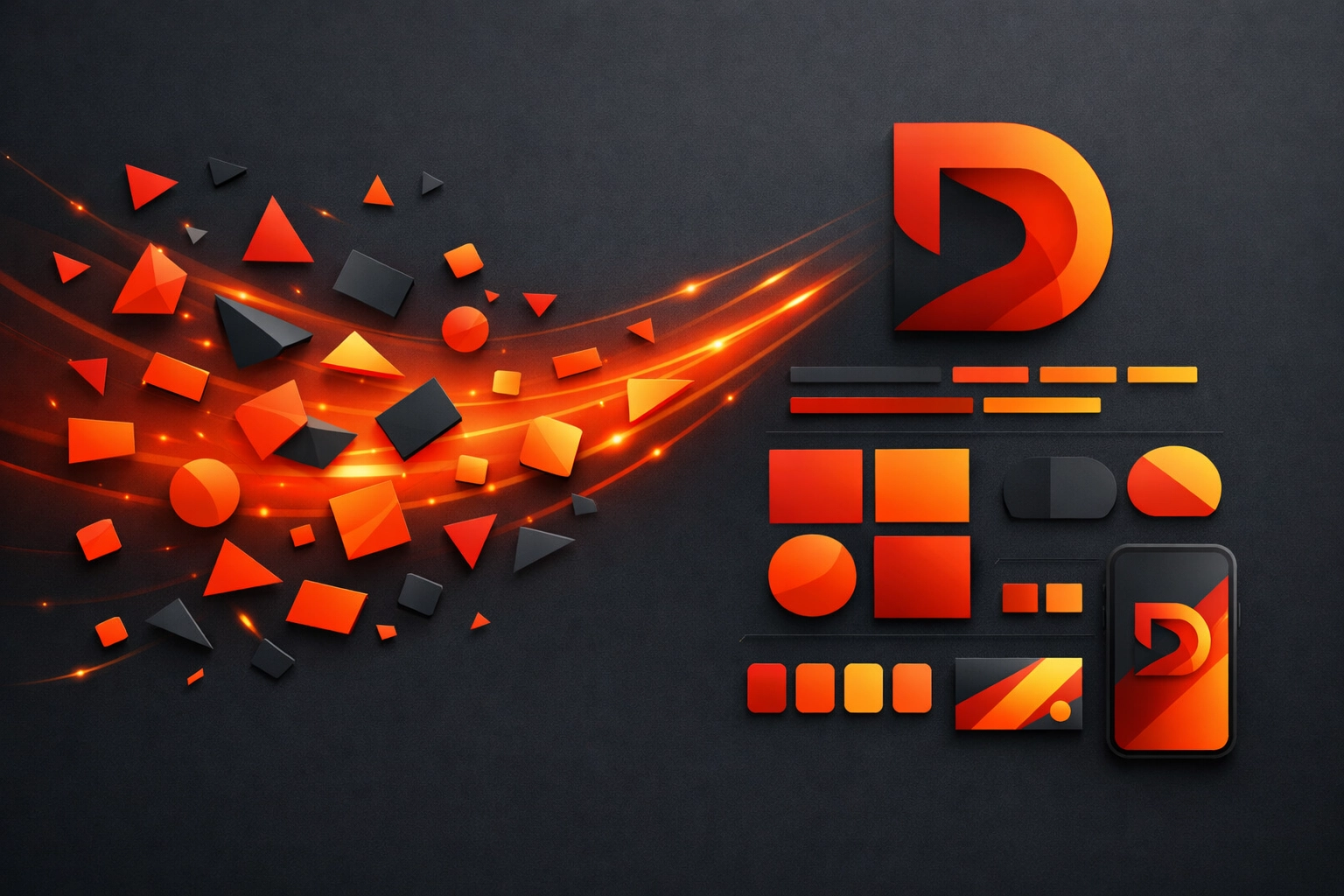
A local web designer Bristol worth their salt should explain how they:
Build for Search Engines: They use proper heading structures (H1, H2, H3), write semantic HTML, optimise images with alt text, ensure fast loading speeds, and create mobile-friendly designs. If they look confused when you mention these things, walk away.
Ensure Accessibility: They should design sites that people with visual impairments, motor difficulties, or other disabilities can use. This means proper colour contrast, keyboard navigation, screen reader compatibility, and ARIA labels where needed.
Why does this matter to you? Beyond being the right thing to do, accessible websites reach more people. And Google increasingly favours accessible sites in search rankings. Plus, in the UK, you have legal obligations under the Equality Act 2010.
Ask them to explain specific techniques they use. If they can’t, they’re not qualified to build your site properly.
Question 4: How Do You Optimise Web Designs for Performance and Page Speed?
Here’s something most business owners don’t realise until it’s too late: a slow website kills your business.
Google reports that 53% of mobile users abandon sites that take longer than three seconds to load. Three seconds. Your beautiful website means nothing if people leave before seeing it.
A professional web designer should talk about:
Image Optimisation: How they compress and format images to load quickly without looking rubbish. They should mention WebP formats, lazy loading, and properly sized images.
Code Efficiency: They write clean, minimal code and avoid bloated page builders that slow everything down.
Responsive Design: Your site needs to work perfectly on phones, tablets, and desktops. This isn’t optional anymore: over 60% of web traffic comes from mobile devices.
Performance Testing: They should use tools like Google Lighthouse, GTmetrix, or PageSpeed Insights to measure and improve load times.
If your designer doesn’t proactively discuss performance, your site will be slow. It’s that simple. And a slow site costs you customers every single day.
Question 5: Can You Describe a Challenging Project and How You Handled It?
This question reveals more about your potential designer than any other.
You’re not looking for them to tell you about their easiest, smoothest project. You want to hear about when things went sideways and how they handled it.
Listen for specifics:
- What was the challenge? (Tight deadline, difficult client, technical limitation, changing requirements)
- How did they approach solving it?
- What was the outcome?
- What did they learn?
Their answer tells you about their problem-solving skills, how they handle pressure, and whether they take responsibility when things go wrong. You’re going to hit bumps during your project. You need to know they won’t disappear when challenges arise.
Here’s what you’re really assessing: can they think on their feet? Do they communicate problems early? Do they bring solutions, not just complaints? Do they blame everyone else, or do they own their part?
A designer who says they’ve never had a challenging project is either lying or hasn’t done enough work to be trusted with yours.
Beyond the Questions: Check Their Portfolio Properly
Asking these five questions will eliminate most unsuitable designers. But you also need to review their portfolio with a critical eye.
Don’t just look at whether the sites are pretty. Ask yourself:
- What business problem did each site solve?
- Can you easily understand what each company does?
- Do the sites load quickly on your phone?
- Are they simple to navigate?
- Can you find the contact information easily?
The best portfolios explain the strategy behind each design, not just showcase the aesthetics.
What Happens Next?
If you’re searching for a local web designer Bristol who can answer all five questions confidently, you’re already ahead of most business owners. These questions will help you separate talented professionals from people who just know how to use design software.
When you find someone who can walk you through their process, align design with your business goals, build for SEO and accessibility, optimise for performance, and handle challenges with grace: you’ve found a keeper.
At Bamsh Digital Marketing, we build websites that don’t just look good: they work hard for your business. We focus on what matters: generating leads, building trust, and delivering results you can measure.
Want to discuss your web design project? Let’s talk about what you’re trying to achieve and whether we’re the right fit. No pressure, no sales pitch: just an honest conversation about your needs.
Because finding the right web designer near you shouldn’t feel like a gamble. It should feel like finding a partner who genuinely cares about your success.
Frequently Asked Questions
What should I look for when hiring a web designer near me?
Look for a designer who has a clear process, understands your business goals, and can explain how their work will generate results. They should prioritise user experience, SEO, and performance rather than just visual design.
How do I know if a web designer understands my business goals?
A good web designer will ask detailed questions about your audience, services, and objectives before starting any design work. If they focus only on colours and layout without discussing outcomes like leads or sales, that’s a red flag.
Why is SEO important when choosing a web designer?
SEO ensures your website can be found on Google. Without proper structure, fast loading speeds, and optimised content, even a well-designed site may struggle to attract visitors and generate enquiries.
How important is website speed in web design?
Website speed is critical. Slow websites cause visitors to leave quickly, reducing conversions and harming search rankings. A professional designer will optimise images, code, and performance from the start.
Can a web designer help improve my conversions?
Yes, a skilled web designer focuses on user journeys, clear calls to action, and page structure to guide visitors towards enquiring or buying. Design should always support business results, not just aesthetics.
What questions should I ask a web designer before hiring?
Ask about their design process, experience with SEO, how they handle performance, and how they solve challenges. Their answers will reveal whether they are a strategic partner or just a visual designer.
How long does it take to complete a website design project?
Most projects take between 4 and 12 weeks depending on complexity, content readiness, and feedback speed. Larger or more bespoke builds may take longer.
Do I need a local web designer in Bristol?
Not necessarily, but a local designer often understands your market, competitors, and audience better. This can improve how effectively your website communicates with local customers.
What are the risks of hiring the wrong web designer?
You could end up with a slow, poorly optimised website that doesn’t generate leads. Fixing these issues later often costs more than getting it right from the start.
What makes a good web design portfolio?
A strong portfolio shows not just visuals but results. Look for examples where the website clearly communicates the business offering, loads quickly, and makes it easy for users to take action.