
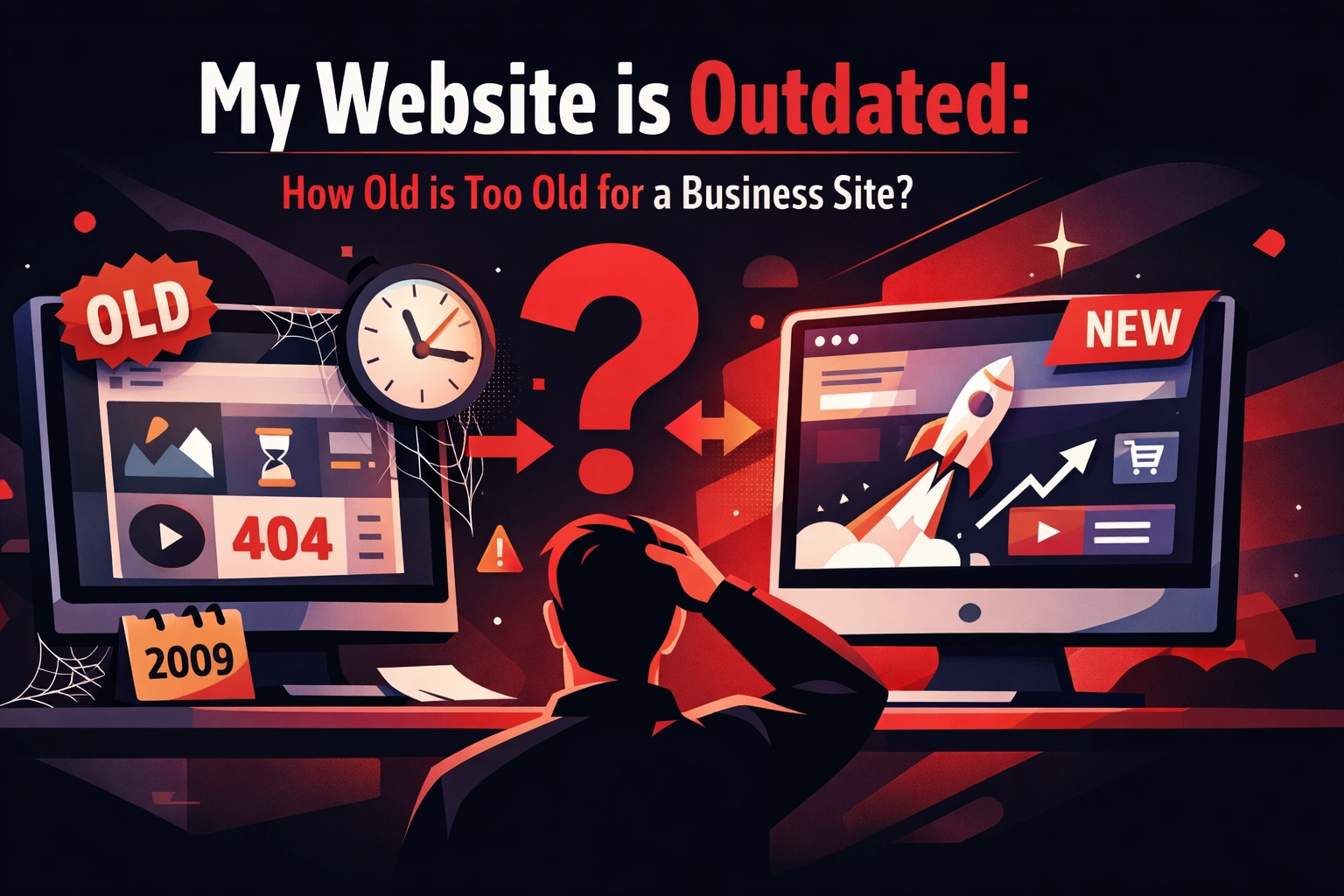
Let’s get straight to it: if your website is more than 2-3 years old without significant updates, it’s likely showing its age. But here’s the thing: age alone doesn’t tell the whole story.
You might have a five-year-old website that’s been consistently maintained, updated, and optimised. Or you could have a one-year-old site that’s been abandoned since launch. Which one do you think performs better?
The answer might surprise you.
The Real Question Isn’t “How Old?” It’s “How Maintained?”
Your website’s birth certificate matters far less than its recent medical history.
A website that launched three years ago but receives regular content updates, security patches, and design refinements will outperform a six-month-old site that’s been neglected since day one. Over 60 percent of top-ranking pages in Google are less than three years old, but that doesn’t mean you need to rebuild every couple of years.
What it does mean is that fresh, high-quality content and ongoing maintenance matter more than the date your domain was registered.
Think of your website like a car. A well-maintained 2021 vehicle with regular servicing will run better than a 2024 model that’s never seen a garage. Age becomes a problem when it’s paired with neglect.

Domain Age vs. Website Age: Why the Distinction Matters
Here’s where things get interesting. Many business owners confuse domain age with website age, and they’re not the same thing.
Domain age refers to how long your web address has been registered. If you bought “yourbusiness.co.uk” in 2015, that domain has nine years of age behind it.
Website age refers to when your actual site content launched or was last significantly updated. You might have registered that domain in 2015 but didn’t launch the website until 2023.
For SEO purposes, older domains with clean histories can carry some authority. Websites with 3+ years of stable ownership, quality backlink profiles, and consistent updates tend to perform better in search results. But that’s because they’ve built trust over time, not simply because they’re old.
If your domain is ten years old but your website content hasn’t been touched in five years, you’re not benefiting from that domain age: you’re suffering from website neglect.
The Tell-Tale Signs Your Website Has Crossed the Line
You don’t need to be a web designer to spot an outdated website. Here are the obvious red flags that signal your site has passed its prime:
1. It Doesn’t Work Properly on Mobile
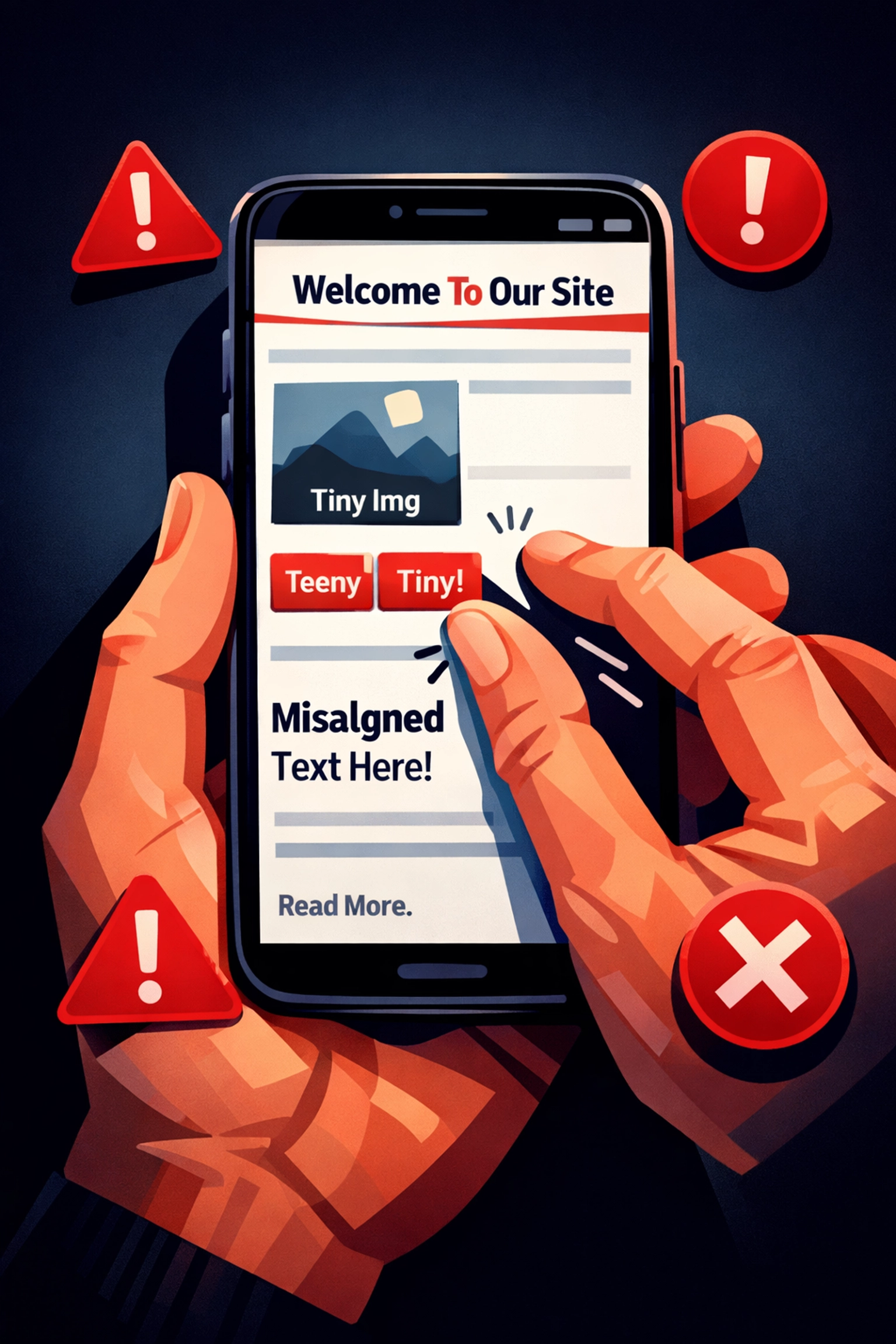
If your website requires pinching and zooming on a smartphone, or if buttons are too small to tap easily, you’ve got a problem. Mobile-first design has been the standard since 2016. If your site predates that shift and hasn’t been updated, it’s too old.
2. Your Design Screams “Last Decade”
Rotating carousers on the homepage. Flash animations. Tiny text against busy backgrounds. These design trends died years ago. If your website still features them, visitors will assume your business is equally outdated.
3. Your Content References “Current Events” from Years Ago
Nothing says “neglected” quite like a blog post from 2019 discussing “upcoming changes” or a news section that stops abruptly in 2021. Outdated content signals to visitors that nobody’s home.
4. Security Warnings Appear
If browsers display “Not Secure” warnings when visitors access your site, you’re running on outdated security protocols. This isn’t just bad for trust: it’s actively dangerous for your business and your customers.

5. Load Times That Test Patience
Websites built even five years ago weren’t optimised for today’s performance standards. If your pages take more than three seconds to load, you’re haemorrhaging potential customers before they even see your content.
6. The CMS Hasn’t Been Updated in Years
Content Management Systems like WordPress release regular updates for security and functionality. If you can’t remember the last time your CMS was updated, your website is vulnerable and likely underperforming.
What Actually Determines Website Lifespan
Rather than fixating on a hard age cutoff, evaluate your website based on these factors:
Consistency of Updates
Websites that receive regular content additions, blog posts, and information updates stay relevant. A five-year-old site with fresh content published weekly will outperform a one-year-old site with stale information.
The key is maintaining momentum. If you’ve let your website sit untouched for two years, the neglect becomes visible to both visitors and search engines.
Technical Performance Standards
Web technologies evolve rapidly. The coding standards, security protocols, and performance optimisations from 2020 aren’t sufficient for 2026.
Your website needs to meet current standards for:
- Page load speed (under 3 seconds)
- Mobile responsiveness across all devices
- HTTPS security certification
- Accessibility compliance
- Modern browser compatibility
If your site struggles with any of these, age has become a liability.
User Experience and Navigation
The way people interact with websites changes over time. Navigation patterns that felt intuitive three years ago might now frustrate users who’ve adapted to newer, smoother experiences elsewhere.
Ask yourself: Can visitors find what they need within three clicks? Does your navigation make sense to someone unfamiliar with your business? If you’re unsure, that’s a warning sign.
Relevance and Accuracy
Your website content should reflect your current services, pricing structures, team members, and business focus. If significant portions of your site describe services you no longer offer or feature team members who’ve moved on, your content has expired.
This isn’t about website age: it’s about content maintenance. A well-maintained site updates this information regularly, regardless of when it launched.
Backlink Quality and Authority
Over time, quality websites naturally accumulate backlinks from other reputable sources. These signals help search engines understand your site’s authority and trustworthiness.
However, backlinks also decay. Sites linking to you might disappear, change, or remove links. If your backlink profile hasn’t been reviewed and actively managed, your site’s authority gradually erodes, even if the site itself remains technically functional.
The Two-Year Audit Rule
Here’s a practical guideline: every website should undergo a comprehensive audit every two years, regardless of age.
This audit should evaluate:
- Technical performance and security
- Content accuracy and relevance
- User experience and conversion paths
- SEO performance and keyword targeting
- Design trends and visual appeal
- Mobile functionality and responsiveness
After this audit, you’ll have a clear picture of whether your site needs minor updates, a significant refresh, or a complete rebuild.
The audit itself will tell you if age has become a problem. Sometimes a few targeted updates will extend your site’s lifespan for another couple of years. Other times, the foundation itself has become outdated, and incremental fixes won’t address the core issues.

When Age Becomes Urgent
Some industries move faster than others. A website for a technology company or digital marketing agency needs to stay more current than one for a traditional manufacturing firm. Not because the business is less important, but because visitor expectations differ.
If your business operates in a fast-moving sector where credibility depends on appearing current and innovative, website age becomes critical faster. In these cases, even a three-year-old site might feel dated if it hasn’t received significant updates.
Conversely, businesses in traditional industries can often maintain older sites successfully if they focus on content quality, functionality, and performance rather than chasing every design trend.
The key question: Does your website’s age undermine the trust and credibility you need to convert visitors into customers?
The Path Forward
If you’ve recognised your website in any of these descriptions, don’t panic. Understanding the problem is the first step toward solving it.
Start with an honest assessment. Look at your site through fresh eyes: or better yet, ask someone unfamiliar with your business to navigate it and report their experience. Their feedback will reveal problems you’ve learned to ignore.
From there, you can determine whether your site needs minor updates, a comprehensive refresh, or a complete rebuild. Sometimes the answer is simpler than you think, and other times it’s clear that starting fresh will serve your business better than patching an aging foundation.
The good news? Once you’ve addressed these issues, you won’t need to rebuild every few years. A well-built, properly maintained website can serve your business effectively for years to come, with regular updates and optimisations keeping it current without requiring complete overhauls.
Your website’s age matters, but its maintenance matters more. Focus on the latter, and the former becomes far less concerning.
If you’re ready to evaluate your website objectively and determine the best path forward, our web design services can help you create a site that stays relevant and effective for years to come.