

Nearly 90 percent of british customers prefer to shop with businesses they trust and recognize in their own neighbourhoods. For small business owners in Bristol and Cardiff, knowing what draws customers through your door can be the difference between steady growth and silent weekends. This guide shows how simple steps tailored to local retail and hospitality can turn your marketing plan into real visibility and more qualified leads.
Table of Contents
- Step 1: Define Your Ideal Customer And Local Goals
- Step 2: Select Marketing Channels And Set Your Budget
- Step 3: Optimise Your Website And Google Business Profile
- Step 4: Launch Targeted Campaigns For Rapid Local Reach
- Step 5: Track Results And Refine Your Marketing Plan
Quick Summary
| Key Point | Explanation |
|---|---|
| 1. Define Your Ideal Customer | Create detailed personas to identify motivations, challenges, and buying behaviours of your target market. |
| 2. Choose Effective Marketing Channels | Select channels based on your demographics; combine digital and traditional methods for maximum reach. |
| 3. Optimise Your Online Presence | Improve your website and Google Business Profile with localised content to attract and engage local customers. |
| 4. Implement Targeted Campaigns | Launch campaigns using social media and other platforms to reach your specific demographics effectively. |
| 5. Monitor and Adjust Your Strategy | Regularly review performance metrics to refine your marketing efforts based on data-driven insights. |
Step 1: Define your ideal customer and local goals
Building a successful local marketing strategy starts with understanding precisely who your customers are and what specific goals will drive your business forward. Creating detailed customer personas helps you target your marketing efforts more effectively and connect with the right people in your community.
To define your ideal customer, start by gathering comprehensive demographic information, including age, income level, location, and professional background. Go beyond basic statistics by exploring target market characteristics that reveal deeper insights about their motivations, challenges, and purchasing behaviours. Consider factors like their typical buying patterns, pain points, and what solutions your business can uniquely provide. For local businesses in Bristol and Cardiff, this might mean understanding neighbourhood preferences, local work cultures, and community-specific needs.
Your local marketing goals should be specific, measurable, and directly aligned with your overall business objectives. These might include increasing foot traffic by 25% in the next quarter, boosting local brand recognition, generating more qualified leads from your immediate geographical area, or expanding your customer base within specific neighbourhood demographics. Track these goals using clear metrics that allow you to measure progress and adjust your strategies accordingly.
Expert Advice: Always validate your customer persona through direct research like local surveys, customer interviews, and analysing your existing client base to ensure accuracy and relevance.
Step 2: Select marketing channels and set your budget
Choosing the right marketing channels and establishing a strategic budget are critical steps in creating an effective local marketing approach that maximises your business growth potential. You will determine the most impactful ways to reach your target audience while ensuring efficient resource allocation.
Start by exploring marketing communication strategies that align with your ideal customer profile. For local businesses in Bristol and Cardiff, this might include a mix of digital and traditional channels such as Google Business Profile, targeted social media advertising, local print publications, community event sponsorships, and targeted online advertising. Consider your customers’ typical media consumption habits and preferences when selecting channels. Digital platforms like Facebook and Instagram often provide precise targeting options that can help you reach specific local demographics more cost effectively than traditional advertising methods.
Budget allocation requires a careful balance between different marketing channels. As a general rule, small businesses should aim to spend between 5% to 10% of their total revenue on marketing efforts. Break down your budget into specific channel allocations based on potential return on investment. Track the performance of each channel meticulously and be prepared to reallocate funds as you discover which platforms generate the most engagement and leads for your business.
Expert Advice: Always maintain a flexible marketing budget that allows for quick adjustments based on real performance data and emerging opportunities in your local market.
Here’s a summary comparing key digital and traditional local marketing channels for Bristol and Cardiff businesses:
| Channel Type | Targeting Precision | Cost Efficiency | Community Engagement |
|---|---|---|---|
| Digital (e.g. social media ads) | Highly specific demographics | Lower cost per lead | Moderate |
| Traditional (e.g. print or events) | Broad neighbourhood coverage | Typically higher spend | High, personal |
| Google Business Profile | Location-based intent | Free with optional ads | Moderate |
| Community Sponsorships | Hyper-local audience | Flexible, depends on event | Very high |
Step 3: Optimise your website and Google Business Profile
Improving your online presence requires strategic optimisation of both your website and Google Business Profile to attract more local customers and increase your digital visibility. This step will help you create a powerful online representation of your business that draws potential customers directly to your doorstep.
Begin by enhancing local search visibility through comprehensive website and profile updates. Your website should be mobile responsive, load quickly, and include localised keywords relevant to Bristol and Cardiff businesses. Ensure your contact information, address, and service areas are prominently displayed and consistent across all online platforms. For your Google Business Profile, upload high quality photos of your business, write a compelling business description, and keep your operating hours current. Google Business Profile optimisation involves verifying your business location, responding to customer reviews promptly, and using accurate business categories that match your services.
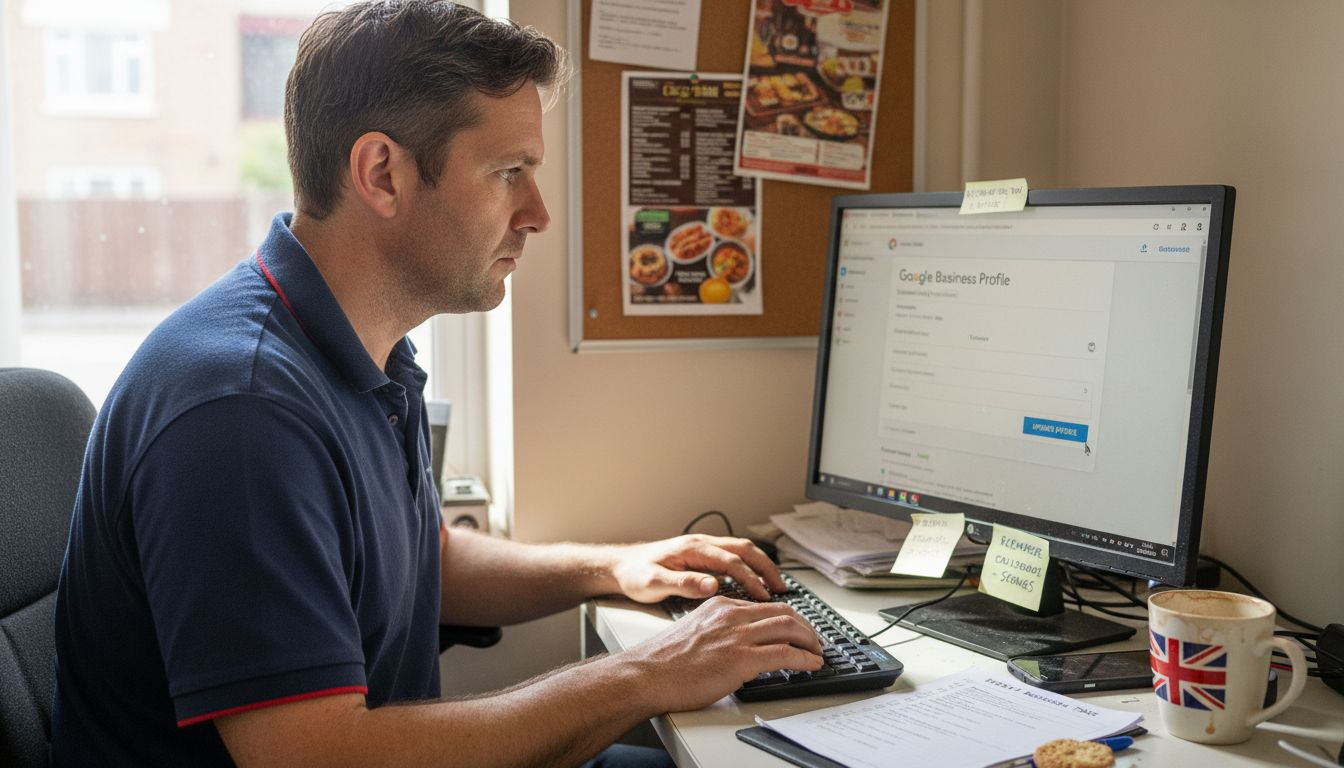
Prioritise creating content that answers local customer questions and showcases your expertise. This includes adding location-specific service pages, embedding Google Maps on your website, and sharing local customer testimonials. Regularly update your Google Business Profile with posts about special offers, events, or recent work to demonstrate active engagement and improve your search rankings. Monitor your online performance using Google Analytics and Google Search Console to track visitor behaviour and continuously refine your digital presence.
Expert Advice: Treat your Google Business Profile like a living document and update it at least once a month with fresh content and accurate information to maintain high visibility and customer trust.
Step 4: Launch targeted campaigns for rapid local reach
Quickly expanding your local business presence requires strategic campaign planning that connects directly with your target audience in Bristol and Cardiff. This step will help you design and implement marketing initiatives that generate immediate interest and drive potential customer engagement.
Start by developing intensive marketing campaigns that saturate your local market through multiple channels. Focus on creating targeted social media advertisements that speak directly to your ideal customer demographic, using precise geographical targeting options. Craft compelling messaging that addresses specific local needs and pain points. Your campaign should leverage a mix of digital platforms, including Facebook, Instagram, and Google Ads, ensuring you reach potential customers where they are most active. Marketing campaign execution involves creating tailored content that resonates with local audiences, such as highlighting community involvement, showcasing local customer success stories, or offering location-specific promotions that create urgency and excitement.
Track your campaign performance meticulously using analytics tools to monitor key metrics like click through rates, engagement levels, and conversion rates. Be prepared to quickly adjust your strategy based on real time data, reallocating budget towards the most effective channels and messaging. Remember that successful local marketing is about precision targeting rather than broad reach, so focus on quality interactions that genuinely connect with your community.
Expert Advice: Always allocate a small percentage of your campaign budget for experimental tactics that can uncover unexpected opportunities for local market penetration.
Step 5: Track results and refine your marketing plan
Successfully growing your local business requires continuous monitoring and strategic adjustment of your marketing efforts. This step focuses on understanding your campaign performance and making data-driven decisions that will propel your business forward.
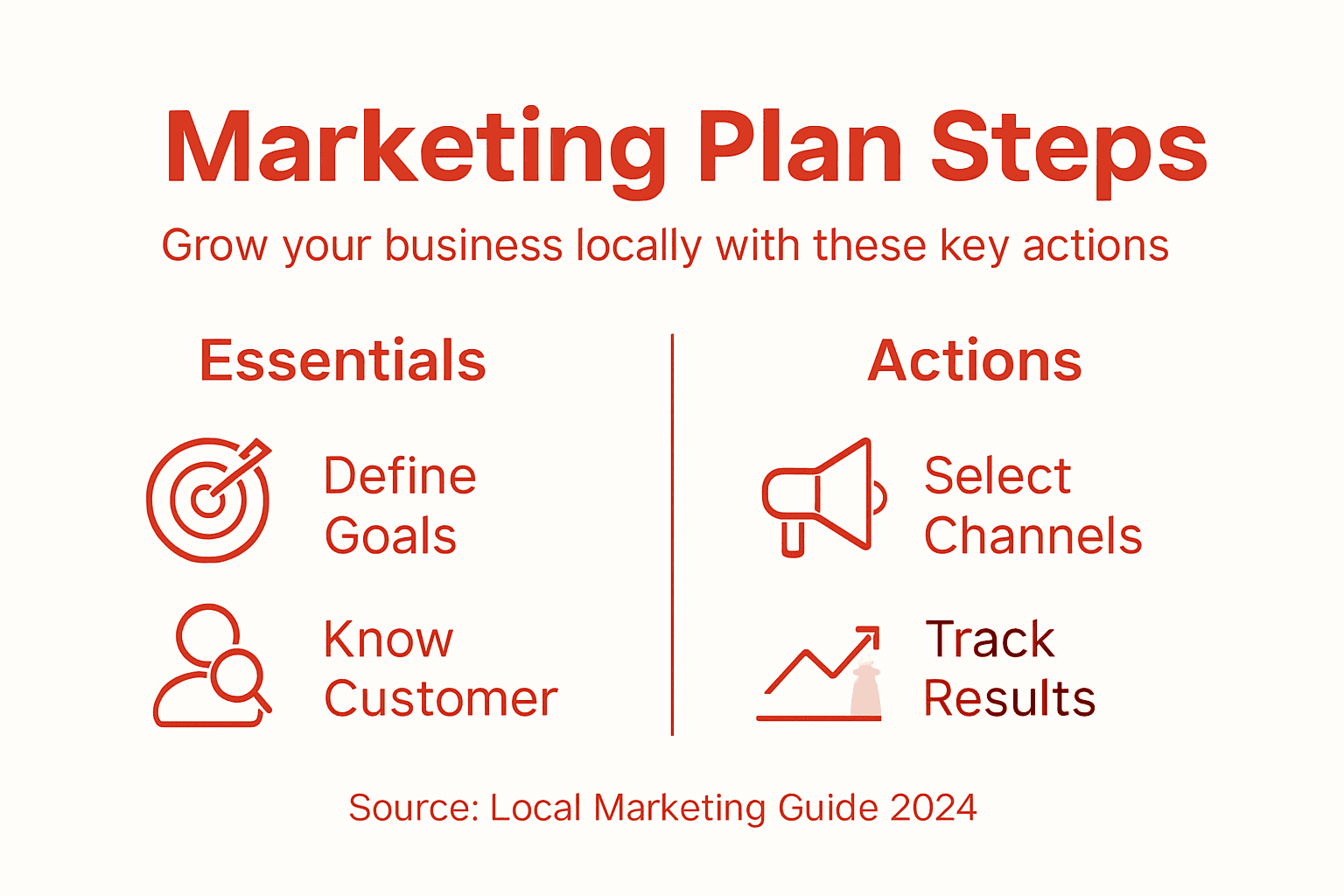
Begin by establishing clear marketing performance metrics that align with your business goals. These key performance indicators should include specific measurements like website traffic, conversion rates, customer acquisition costs, and social media engagement. Use tools such as Google Analytics, Facebook Insights, and your CRM system to collect comprehensive data about how potential customers interact with your marketing materials. Marketing analytics techniques will help you understand which strategies generate the most effective results for your Bristol and Cardiff-based business. Pay close attention to metrics that demonstrate real business impact such as leads generated, appointments booked, and actual revenue attributed to specific marketing campaigns.
Create a regular review process where you analyse these metrics monthly or quarterly. Look for patterns in your data that reveal what marketing approaches are working and which need refinement. Be prepared to pivot quickly if certain channels or messaging are not delivering the expected results. This might mean adjusting your social media targeting, redesigning your website landing pages, or shifting budget allocation between different marketing channels to maximise your return on investment.
Expert Advice: Schedule a dedicated monthly marketing review meeting with key team members to ensure consistent analysis and collaborative strategy refinement.
Refer to this table for actionable marketing performance metrics and their impact on local business growth:
| Metric | What It Measures | Business Impact |
|---|---|---|
| Website Traffic | Visitor numbers | Reveals brand visibility |
| Conversion Rate | Actions taken on site | Shows campaign effectiveness |
| Customer Acquisition Cost | Cost per new customer | Assesses budget efficiency |
| Social Engagement | Likes, shares, comments | Indicates local community interest |
Boost Your Local Growth with Expert Digital Marketing Support
The “Small Business Marketing Plan Guide for Local Growth” highlights how essential it is to define your ideal customer, optimise your Google Business Profile, and launch targeted campaigns that deliver real local impact. If you find it challenging to track your marketing efforts or allocate budget wisely across channels, you are not alone. Many small businesses struggle with the complexity of connecting with their local community efficiently while aiming for measurable growth.
At Bamsh Digital Marketing, we understand these pain points deeply. Our team specialises in helping businesses in Bristol and beyond to develop clear, honest, and results-driven strategies. Whether it is through Digital Marketing Bristol services that enhance your local presence, or by optimising your Google Business Profile to increase local calls and foot traffic, we bring transparency and proven expertise to every step you take. Ready to transform your marketing plan into a consistent lead generation machine? Visit Bamsh’s 15 Minute Strategy Call and discover how our award-winning approach removes confusion and delivers predictable results. Act now and start growing your local business with confidence.
Frequently Asked Questions
How can I define my ideal customer for a local marketing plan?
To define your ideal customer, gather detailed demographic information such as age, income level, and location. Create customer personas that reflect their motivations and purchasing behaviours, and consider conducting local surveys to validate your findings.
What marketing channels should I consider for reaching local customers?
Consider using a mix of digital and traditional marketing channels, including social media advertising, local print publications, and community event sponsorships. Assess your customers’ media consumption habits to select channels that align with their preferences.
How do I optimise my website for local search visibility?
To optimise your website for local search visibility, ensure it is mobile responsive, loads quickly, and incorporates localised keywords. Keep your contact information consistent across all platforms and actively update your Google Business Profile with relevant content and photos.
What key performance metrics should I track in my marketing plan?
Track metrics such as website traffic, conversion rates, and customer acquisition costs to measure your marketing plan’s effectiveness. Establish a regular review process to analyse these metrics and adjust your strategies based on the data collected.
How can I quickly launch targeted marketing campaigns?
Launch targeted marketing campaigns by developing advertisements that resonate with specific local demographics and leverage multiple digital platforms. Focus on crafting compelling messages that address local needs and monitor performance to refine your approach in real time.
What is the ideal budget allocation for a small business marketing plan?
Small businesses should aim to allocate 5% to 10% of their total revenue to marketing efforts. Break down your budget into specific channel allocations based on expected return on investment and adjust them as needed based on performance.
Recommended
- Why Invest in Local SEO: Complete Guide for UK Businesses – Bamsh Digital Marketing
- The Essential Guide to Investing in Local SEO – Bamsh Digital Marketing
- Small Business SEO Packages That Get Results! | Bamsh UK
- Complete Guide to the Role of Local SEO
- Why Choose Local Vehicle Rentals: Complete Guide – Rent&Go Car Rental Vlore